Dream Magic 101

Dream magic is something I did a lot as a teen but less now. However, it can be incredibly useful if you keep in mind that it’s a dream.

Here’s some quick things to keep in mind when dealing with dreams or dream magic.

  • Dreams do not mean reality. Don’t confuse the two.
  • Dreams are an incredibly personal and individual thing. Each person has their own system of personal symbolism derived largely from environment, past experiences, education, and culture. So an encyclopedia isn’t going to help a whole lot beyond giving you a jumping point for your search.
  • Sometimes dreams are just dreams.

Differences between dreams and astral travel

This is one of those fields that gets… murky when we talk about separation. I define it as this: dreaming is internalized and in your own head. Astral projection or Out of Body Experiences (OBE) take place in this realm or plane of existence but happen externally, outside of your body. Astral travel is an astral project or OBE that goes elsewhere, to another realm of plane of existence.

That doesn’t mean the realm of dreams aren’t connected to this realm or the spiritual realms. I think they are connected and you can slid in and out of them fairly easily. So it’s really more of a matter of semantics and fine-point differences that we can’t readily agree on.

I think of things this way: Does the experience matter to you in some way? Even if you only get a laugh out of it, that experienced mattered for that moment. If so, then it doesn’t matter what that experience actually was so long as you derive something from it. So a vision or religious experience could be gained from sickness or drug-induced and it can still offer relevant experience and meaning for you.

Dream Magic

As a whole dream magic can be lots of fun and interesting. Often used for helping out in shadow work or introspection, it can also be a form of divination. However, you can get a lot of inspiration or answers from dreams. Even objects or symbols like sigils can come from dreams.

The most common kind of spell seen here are simple, often using herbs or stones to help encourage dreaming. This typically is followed by statements of intent or keeping the exact purpose behind your dream magic in your mind before you fall asleep.

Some people will even dream of rituals or spells continuing after they’ve gone to bed. It’s like a second part of the spell or ritual. Pretty useful and is a neat way of putting out more energy into the world.

Many people have trouble remembering dreams. Just because you don’t remember a dream doesn’t mean the dream magic didn’t work. It may come back to you or maybe it’s done but you weren’t suppose to remember.

Dreamwalking

Because, as mentioned above, it’s commonly believed that the realm of dreams is a shared space or can be accessed by others, you can actually walk into someone else’s dreams.

You can even alter or implant ideas in someone’s dreams, encouraging them upon waking to do something you want them to do like call you or skip work. They might even look for something for you, even if they wouldn’t have thought of it before. These sorts of things tend to appear as unshakable feelings in the target.

This might cross into moral gray areas so tread carefully.

Examples

For example, I often dream of full, detail-chocked novels with complicated characters and twisting plots. Sometimes they’re nonsensical and other times they are so complete that they simply need to be written down.

My Lavender Dreams flying ointment came to me in a dream. Upon waking I immediately wrote down the ingredients and within an hour created a new flying ointment.

I’m also in the process of writing up my own oracle. Each card comes from a dream or has a dream inspiration.

Originally written over on tumblr.

How to Determine Your Worth as a Witch or Reader

One of the most frequent questions I get as a witch and reader is how to determine what to charge. I see hundreds of readers or witches great under charge their worth for fear of not getting sales or that they are overcharging. Chances are, you’re not and I’m here to tell you why.

First off, let’s conquer this idea that witches and/or readers shouldn’t charge. It’s absolute bullshit to say that these services should be available for free. I mean literally the most absolute bullshit in the highest scale imaginable and when I’m told this I literally stare at the speaker as if they were on fire. Because in my mind I’m probably lighting them on fire. By saying that readers and witches should offer their services for free, you’re doing five things:

  1. Pushing your opinions, ideas, and values on others and in many cases using your religious, spiritual, or personal morality and ideology to silence others and force them to conform to your beliefs on this topic. That’s a horribly shitty thing to do and it needs to stop. Now.
  2. You’re saying that their services and skills are worth nothing. Please go out in the street and flag down the nearest electrician. Now tell them they should spend hours rewiring your house and, while you do that, tell them that their skills aren’t worth shit and they’re overcharging. Tell them there’s dozens of other electricians who charge less, many amateurs who aren’t trained or licensed who would do it for free, and clearly they should just not charge you. Then go to your therapist or doctor and tell them the same thing. When you say that there’s lots of readers out there and thus someone’s overcharging and/or they aren’t worth what they’re charging and/or they should just give these services away, that’s exactly what you’re saying. You’re saying that religious and spiritual services are not worth paying for. You’re saying that they, as people, are doing something worthless. You’re demeaning them, their practice, and their faith. Essentially, you’re being a piece of shit.
  3. You are ignoring the INCREDIBLY long history of these services being paid for. Village healers were paid for their services in kind or with money. History guarantees this. Why do I say this? Because there are just as many tombs of valued priestesses and healers as there are rulers and warriors.  I can literally walk into a museum and see the crown of a priestess next to the crown of a fucking king. You can bet your ass those priestesses didn’t go dig up the gold and smith it themselves. So when you say shit like “no TRUE [whatever] would charge for this” you are LITERALLY shitting on every single one of those practitioners before you that makes up those traditions you so viciously defend and adapt to your practice.
  4. You are saying that working in an religious or spiritual field is a waste of time and not a profession. You’re saying religious and spiritual organizations shouldn’t make money. And that is clearly false as shit. I present to you: the Christian Church, one of the richest organization in the history of the world. You’re welcome to have this belief but you don’t get to force it on others (see #1).
  5. “It doesn’t work!” I can’t prove that faith works either but tithing is still a thing. And if you’re using THAT as your fucking basis of an argument, then you’re once again committing #1 and forcing your beliefs on others. And for fuck’s sake, so long as the client’s fucking happy, who gives a flying fucking shit? Additionally, it’s basic fucking science that there’s no way to prove something doesn’t exist. Just saying, the possibility is absolutely out there.

Now that we’ve covered that, moving onto the business side of things.

I recently posted this comment “if you’re going to run a business then run a damn business.” I completely stand by that. And the tips I included are really simple:

“Get a business spreadsheet for prices, put in the materials, how much time you spend doing the thing, how much base pay you want, taxes if applicable, shipping if applicable, what kind of profit margin (if any) you have and presto! Instant price. Pop that into the “how much box” and call it a damn day.”

This is absolutely true and has saved me so much trouble and heartache. If left to my own devices not only would have (and have I) undercharged my services, but I still struggle with this today. (Actually, I struggled with it less than an hour ago before I said fuck it, typed in what the numbers said, saved it all, and starting writing this.)

Why do this? It takes out the emotion of it. It’s entirely and completely clinical and that makes it far easier to sell the item and to actually charge what the item is worth and make money off of it.

“Be honest with how long it takes you and round up, not down. It shouldn’t matter whether it’s for tarot readings or if it’s for selling homemade candles, break that shit down and work it out.”

This is sometimes the hardest thing but absolutely, positively the MOST IMPORTANT. You need to be charging an hourly wage, especially if you need to make a certain amount each month or this is your only occupation. For example, I charge $25 an hour for my services as of this writing. Right off the fucking top. That price was determined by how my bills and expenses and what kind of savings I wanted to make. To be honest, it’s not enough to do what I want to do (like actually repair my car) and I’m thinking of raising my hourly wage to reflect that. Am I worth that? Fuck yes. For what I do and in my area I can charge $75 a hour or more. I don’t because I like my services to be accessible to all. And yes, I do mean all. Charging what I’m worth allows me to donate to charities and organizations. I offer free readings to inmates and spells for the homeless upon request. I have the time and materials to do that because I charge what I’m worth. It means I’m less stressed and can cater to my clients properly. Plus I can pay my bills which is really kind of cool.

“You shouldn’t have to feel guilty asking your worth.”

This is arguably the hardest part of it all. We have been told time and again that our services and this field isn’t real, is a waste of time, and we should feel obligated to not sully out gifts this way (please tell Beyonce she shouldn’t charge for her shows or albums because she’s a gifted singer. Go on and tell her. I fucking dare you.) You are worth something. Your time is worth something. So charge for it. You have literally no idea how happy I was once I said “fuck it” and stop letting others determine what I was worth (which, BTW, is about what a living wage should be). Is that possible for everyone? Fuck no, but that’s literally the debate on minimum wage. I wish this was possible for everyone. I really fucking do.

So that’s all well and good but HOW???

Spreadsheets. I downloaded and looked at dozens of hourly wage and pricing spreadsheets, combined them at will to best suit my needs, and moved the fuck on. I plug in the numbers and go. Don’t know how to use spreadsheet? Tutorials are your friend. Look at the help page and just copy and paste the formula at will. Save and make numerous copies of both untouched and touched spreadsheets in case you fuck up royally. Cry a bit in frustration when something doesn’t work and ask for help as needed.

Here’s some areas to consider for your spreadsheets:

  • Materials. Put in each material you used, down to the tiniest screw. Determine how much that screw cost you. If you bought 50 screws for $4.00 that means each screw costs you 8 cents. You divide the the price (include that tax!) into the number of items and call it a day. 4/50. Use a calculator, the spreadsheet formula, or just type the math into Google.
  • Overhead. This is what you spent each month. You can also pro-rate things. For example, I recently bought a sewing machine for the shop. I include that in my overhead. My rent, bills, food, gas, any tools I use (screwdrivers, for example), fees I pay out for services, business cards/advertising, and so on all get plugged in. Then that number gets divided by the number of items I produce each year. Here, I’ll perfectly admit I’ll fiddle with the numbers. I divide it by the number of items I could produce a year. This is primarily because I make things to order. I have a set number I use as a base and I alter it if I go over the set number in sales. (Example, my set number of items sold might be 300 but if I sell 500 readings, I’ll use 500 instead which will reduce my overhead cost.) This does mean I am potentially, yet again, undercharging for my items.
  • Labor. Break it down. How long does the reading take you? Divide that by your hourly wage and call it a day. Making a candle? How long to buy the ingredients? To melt the beeswax? If you’re going to do a batch, divide those numbers by the amount of items you produce. And the spreadsheet do all the math so long as you put he right numbers in.
  • Adding all the above will give you the price of the item that you should be charging. However, there’s one additional item to consider. Profit margin. Some folks use this, others don’t. Usually it’s a percentage. This is going to be absolutely pure profit, extra money for the item. Use this wisely and at your own desire.

No, but seriously, HOW????

How do I decide how much something is worth? I do it. I make whatever item I’m going to make and time myself on how long it took me. Then I multiple that by however much I want to make hourly and call it a day.

Look and talk to fellow practitioners of the same craft of you in the area. How much are they charging? You should match them relatively in price. Don’t go by online prices. Go out on the street and get the prices there. Why do I say this? Because there are so many people charging less than they should online and it’s a fucking tragedy. If you’re an artist, go up to street artists and ask how much they’re charging. If you’re a reader, ask other tarot readers how much per a reading and what that reading entails.

Make your product different and unique. This can be really hard if it’s the same kind of service. Flaunt your experiences, skill, and personality. Offer fantastic customer service or free gifts. (I like my gifts to be a surprise because it’s really cool and I love it when I discover I got something extra whereas when I’m told I’ll get a free gift I expect it and eventually start to think of that item included in the price of whatever I’m buying. Having a cohesive aesthetic and running with it helps. Most of all, make your products unique and then see what clients say about your prices. Do they think they’re getting a great deal? Then you can probably charge more. Have they not mentioned the price at all? Then you’re probably in a good place price-wise. If they mention that you’re overcharging or it’s price-y (and it’s consistent on a single item for example), check around for what others are charging, change your target audience, and/or look for ways to reduce cost.

This is a lot of math.


Yes it is. But you can do it. I swear to all your gods and mine that if I can do it, you can too.

Why do I say this? Why am I so certain? I am absolutely math stupid. My six year old brother can add and subtract better than me. I am absolutely fucking serious. It’s a game by brothers play to throw numbers at me. I don’t get angry, I literally stop. I stop functioning because I simply do not get numbers. I stop while my brain tries to figure out numbers, even simple addition like thirteen plus five. (It’s called Dyscalculia and it’s occasionally the bane of my existence. I wish to everything that is holy I was diagnosed as a kid because maybe I wouldn’t have ended each homework session crying into my multiplication tables. )

ANYWAY, remember that intelligence doesn’t negate learning or cognitive disabilities so you can absolutely fucking do this.

This is a lot of business jargon.

Look, my hatred of math made me avoid all math and, in turn, business. As soon as I could, I dumped math off my to-do list forever and never looked back until recently. What I know of business I learned from reading books and articles, asking questions, trying stuff and seeing if it worked or failed. I started my business up because I was broke as fuck and with my chronic sleeping disorder I can’t hold down a nine-to-five (At all. I fell asleep on a TV once. I’m not kidding.) I learned so much and I love my business. Love it now. It makes me want to actively seek out business stuff. I don’t understand most of it without breaking it down (and calling friends who get numbers to ask them to explain things to me) but it’s a journey I don’t regret in the slightest. I might not have a head for business but I have a love of my business so I will do what I have to do to make it thrive.

Final words are this: Just because we work in a spiritual and religious field doesn’t mean we can’t make a living off of it and still remain accurate, authentic, and true to ourselves and our beliefs. Best of luck everyone!

How to Witchify and Clean Out Your Closet at the Same Time

As you might imagine, I’ve been thinking about clothes. This is primarily because of my upcoming trip to New Orleans which is in, yikes less than two days. Thinking about what to bring and wear is kind of a big thing, especially since I’m going from the dawning of autumn weather here in Rhode Island to the 80s and rainy weather that’s down in New Orleans right now. Instead of packing up my summer gear, I’ve two seasons in my bag to deal with the weather.

Anyway! This has me thinking about clothes and other folks on the internet are thinking about cleaning out closets too. Over at the blog A Beautiful Mess (I love these folks!) Emma made a recent post on cleaning out her closet. And she linked to this amazing 7 questions to ask yourself when thinking of things to dump out of your closets. Now, since I’m a witch and always thinking in terms of witchcraft, here’s my additional tips to links above to help clear out your closet and witchify what’s left. And don’t just think of the following tips as useful only on your wardrobe. These tips can be used in any storage area. I clear out my herb and jar shelves in the same fashion so think of your supply closet when you read the following tips.

Clean and renew during autumn and spring.

Autumn and spring are transitional periods, the birthing and dying parts of the year. Do the same to your home. Changes in wardrobe, home decorations, or repairs should be done around these times. I tend to hang new curtains, add a new pillow, or rotate rugs to different rooms depending on what’s going on. Painting a room is a very common change but at $25/can with the need of at least two cans per room, that’s not exactly as cheap as making a pillow slip cover for $2 and calling it a day. Changing the layout of the furniture is another easy solution (I recently redid my entire flat and it looks great and showcased areas that I need to improve!) In the clothes front, I also tend to I prefer the autumn and spring rather than the winter and summer because of the weather extremes of those seasons – you’re more likely to think of things in a dual fashion “I can wear this most of the year” when it’s not a hundred thousand degrees outside in the dead of summer.”

So how do you witchify that? Chose color palettes that suit the room’s nature. This type of sympathetic magic is incredibly useful and is aided by color theory. My bedroom is the main room I work in. The walls are robin’s egg blue with natural woods. Books cover 60% of the walls and this is the only room with all of my electronics gear, TV and game centers included. I also have two kimonos hung on the wall primarily because they weren’t safely stored when in my closet (one was water damaged and I’m still seeking a proper way to repair it). This means I have a LOT going on in one room. I tied the room together fairly easily by using trees and birds as an ongoing theme throughout this room though and I used that to tie different areas together. Monsters and folklore is a theme of the apartment itself so pillows, a duvet, and one kimono are tied in there (the kimono has tengu on it. A beloved gift from my late mentor). The metallic gold in a huge orange kimono is tied in with throws (and my hair) and is similarly replicated in the pale woods. For rugs I have a few cheap felt rugs that I scatter in different rooms to cover the gray cement floor and a black dyed deer skin by the bed. This gives the room a tamed wildness to it which is pretty great since my greenhouse and large stick drying area is also in my bedroom. All these colors are more consequential but I can chose elements of things that are unmovable (such as the kimonos) to bring out. I chose the gold because it improves my self-image and gets me thinking of new ways to improve the shop. It also helps boost my mood and reminds me of the sun, which is incredibly important as I often suffer from vitamin D deficiency due to my sleeping disorder. If you want pops of color in a room, it could be as easy as picking a single element in something that’s important to you and running with it. If you want to increase the productivity of a room, pick cool whites, sunny yellows, or light reds. To lessen anxiety and stress, go with cool pale greens and blues (and reduce the number of colors and things that break up those serene colors!)

Alter what you’ve got.

We all have things that just don’t fit right and some of us keep those thing around because eventually we’ll be able to alter it so it can fit or be fixed right? Look at those items will a critical eye and decide if you’re actually going to alter that. If you are, remove the item to a “to-do” work pile in a place where you’ll see it all the time but is still out of the way. (Mine’s a laundry basket I see every time I leave my bedroom – but avoid doing this if anxiety is a concern for you.) If you’re not going to alter it, set it aside to give away, swap, or sell.

How do you witchify this? When altering things, it’s easy to personalize it to your needs. When sewing you can easily push energy and your intent into the fabric and thread. Add sigils to the lining of clothing or blankets to encourage things such as quitting smoking or boost moods. (You can even put sigils at the bottom of coffee cups using a sharpie on the outside of the mug.)

Remove your emotional connections to an item.

The reason why getting rid of things is so hard is two fold: one, it’s a waste and the item could be useful at some time, right? and two you’ve built an emotional connection to that item and you don’t want to get rid of that item because of those emotions. What I do is this: I get a box and sort through items and ask myself “What am I going to do with you? What purpose do you have? Where are you from?” Often I don’t have a good answer for that so into the box it goes. Depending on what the box contains, I either donate or sell the items. Craft supplies go to after-school clubs, schools, or local kids I know where clothes are either sold or donated.

This is going to be absolutely the most difficult step to get over. I recommend liberal use of coffee or a similar beverage and just doing it. Another idea that I use is putting this treasured item in a box in some far-off corner of the house. Leave it there until the next season. Does it still hold the same emotional connection? Did you even remember or miss it? Did you look for it? If yes then keep it. If not away it goes.

So you’ve done the thing, now what?

Once you’ve gone through your closet, now you have to evaluate what your closet needs. Does it need shelf liners? New changers? A light source? Do those physical changes first.

Now decide what items should go where and how it should be organized. My closet was custom-made for me when my flat was torn down and rebuilt after a flood destroyed, well, everything. It’s a double depth closet so there’s two clothing bars instead of one. Dresses and special occasional wear or costumes are on the back hook with a few hanging sorters to put pants away and undergarments (I don’t have a dresser). Socks go in a basket on top of a hat box, bags go in a tote, jewelry on a hanging rack or on a top basket of a three tiered rolling basket (the other two tiers hold cardigans). Pajamas and tied skirts are in another three tier shelf. My laundry basket (a tall round wheeling thing) fits in there nicely. This sounds like a lot but it all fits in a four by five by six foot space and that’s pretty good considering I use to make clothes and costumes for a living. That organization system works somewhat well.

My under the stairs closet is far better. This closet holds coats, cloaks, bags, shoes, non-fashion scarfs, and hats hung on walls or tucked in rope tension or hooks. It works fabulously well, is incredibly organized, and still leaves two hooks available for guests to put their stuff in. I can now walk into the closet which is a revolutionary idea. I witchcraft’d the hell out of the system by coating the screws in a tisane for protection, let the dry, and then screwed them in.

Organization doesn’t have to be physical like that. It can simply be organizing by brand, type, or purpose. All your work clothes in one area and your date clothes in another. I have my herbs in alphabetical order on four shelves with a book to ensure I can rapid find out what I have in stock (useful when you have 100+ herbs. My fabric closet is arranged by color first and material type second.

It’s not all about organization either. Once you know what you’ve got, you can decide what you need. Do you need tall brown boots? Are you shockingly out of chamomile and skullcap? I manage these needs by keeping a list on my phone and computer with Evernote but I also keep a list on my fridge with a white board. This isn’t just about refilling what you have but keeps you from buying things you already have. For example, I’ve scraped a crocheting project just last week because I discovered I had arm warmers exactly like I wanted already but I had forgotten existed. Surprise!

How to upkeep it.

Use the Unfuck Your Habitat method of cleaning to keep things neat. Laundry, for example, is a four step process: sort, washer, dryer, put away. It doesn’t seem like it but it is. Using the UFYH method helps keep things organized quickly.

If you bought an item to boost your self esteem and to look fantastic while wearing it but are concerned about safety (heels are great for fashion terrible for running), use sigils and symbols to help yourself out. I wash my laundry with a mixture that helps with protection and encouraging creativity. Just ensure that whatever you add doesn’t dye your clothes. That would be awful.

I use Google Calendar religiously and I schedule in when I put a spell into place that I will want to renew in six months. (That’s a good time period estimate for renewing spells, by the way.) The calendar texts me to remind me to renew the spell and off I go. It works out beautifully.

Here’s some other tips for you witchcraft needs:

Do you have a lot of spell jars you need to keep and no room for them? Add a shelf to an unused wall in your closet and set them up there. For extra security, put two screws halfway along the jar’s heights and tie a piece of twine between them. This will serve as a security net.

Sharpies are the greatest but can and do wash off. Try fabric paint for a long-lasting sigil.

Sigils and symbols don’t have to be hidden! Alter a plain tee into an art piece by drawing a sigil or symbol as the main image on the shirt or along the sleeves.

The ceiling is an oft forgotten section of the house. Use hooks to hang things easily and use that forlorn place. Great for drying herbs. Similarly, you can put a shelf up high along the wall to keep your spell jars, herbs, or tools out of the way of children’s curiosity.

That’s it for this post! I really adore clever storage solutions and I’m a big DIYer so I have to ask: what clever storage solutions do you have?

Where to Start?

“Where do I start if I want to practice witchcraft/magic?” I get that question all the time, especially over on tumblr.

My first questions to them are as follow:

  • What are you looking for?
  • What are you interested in?
  • Are you looking for a religion?
  • Are you looking for a path to follow?
  • Are you looking for guidance?
  • Are you looking to affect the world around you?
  • What do you believe?
  • Do you want to work with others or in a group?
  • Do you want to make up things yourself or would you prefer to follow someone else’s lead?
  • How much academic studying do you want to do?
  • Are you looking for something with historical precedent or something more modern?

The last question is especially important. Knowing, or at least exploring, how the world works and how you believe the world works is incredibly important to to establishing UPG – unverified personal gnosis. Now UPG is commonly misused within the community. Most people take it as UPE – unverified personal experience. The mistake is easy to make but the difference is incredibly important: gnosis refers to something that is a foundation belief, something critical to your worldview. An example would be the knowledge that your deity is masculine rather than feminine. I use knowledge because UPG is often a knowledge, absolute faith. You KNOW that the UPG is true. It is the very basis of your world-view. It’s canon to you. UPE is you have this experience that you’re certain is real and happened but it’s not essential to you. [1]

Now that’s a lot of technical jargon that boils down to this: you don’t have to know what it is that you believe but you almost certainly believe something and you need to be willing to explore that.

Now I believe in magic. I KNOW it to be real. I’ve seen it work, I’ve used it. I’ts part of the heart of my UPG. What magic is, precisely, is an entirely different topic I won’t get into, primarily because we don’t know. My answer is different than others and their answer is different too. Various paths define it somewhat differently. [2]

All of the above isn’t the point and most certainly isn’t exactly what you’re here for. You’re here for a how to of where to start and what “rules” there are for it. And here they are:

“Rules” or the stuff you need to know about before you begin:

  • Practicing magic or witchcraft is a personal choice.
  • There are NO qualifying markers to decide who is an isn’t a witch or who is or isn’t practicing magic. If you define your practice as such, then it is. Similarly, do NOT label someone a title such as witch unless they identify as one. It’s rude at least and deeply offensive at worst. [3]
  • You have NO right to information. You have NO right to appropriate from native cultures or religions, especially if those cultures or religions have requested otherwise.
  • Cultural appropriation is a thing and you should know about it. [4]
  • Sexism, transphobia, homophobia, misogyny, racism, agism, predators, pedophiles, rapists, crepes, criminals, and sex offenders absolutely DOES exist in the community. They exist in ALL communities. Ignoring the issues because you want to promote a good image is negligent at best and criminal at worst.
  • Critical thinking is absolutely critical. So is critical reading. For many practices and paths, research and proper research is important and even necessary. Don’t trust everything you read and question everything. [5, 6, 7]
  • There is no Pope of witchcraft or magic. There are NO rules. There is no ONE deity or pantheon “we” must follow.
  • The Rede and Karma does not work the way you probably think it does. And they are not universal but specific to traditional Wiccan and Hinduism, respectively.
  • Wicca does not equal witchcraft and witchcraft does not equal Wicca. Witchcraft is an art, science, and technical skill of a witch while Wicca is a religion. One necessitates a religious foundation and and the other is entirely secular from it. Witchcraft can be added to most, if not all, religious practices. Witchcraft and magic are not nature-religions. They can be incorporated into a nature religion, however.
  • Books on history, superstitions, folklore, mythology, and anthropology are often keystones to many researchers. Those people who write those accessible 101 books? Those topics are the ones they gleam their information from.
  • Many practitioners takes years to develop their practice, some even take decades. Others can develop their practice in a few months. Progress as fast as you need to.
  • Remember while you may have a divine, known UPG truth of the world, it is RELATIVE. Your truth is not my truth and thus you don’t get to force your beliefs on others.

That’s the basic information you’ll want to know before you begin. This is the basis of how we generate conversation and how to start separating the bullshit from the good stuff.

Now, got that covered? Here’s what you need to do to start practicing witchcraft or magic:

  • Ask questions. Even if you have a stupid sounding one, ask it. Ask it to different people. Ask it of yourself.
  • Read everything. Well, not everything but go ahead and read topics that interest you and articles that are in opposition of what you believe. It can at least let you know what other people are talking about and at most will inspire you to new things.
  • Explore. Do you like the ocean? Ask sea witches what they do and read fisherman’s superstitions. Like cooking? Explore kitchen magic. You don’t need to focus on one thing. Witchcraft can very much be defined into separate categories like sea witchery or kitchen magic but it doesn’t have to be (and, likewise, you can absolutely just focus on one aspect and ignore everything else.)
  • If you want rules, restrictions, or a specific THING to follow, try a define tradition such as Wicca or another religion.
  • You can absolutely make up your own path. I’ve been doing it for close to twenty years.
  • Be afraid to make mistakes. Misspeaking a word in a spell will 99.9999999999% of the time result is absolutely no changes from the original intent.
  • Gods, spirits, guides, and people lie. They can be malicious. They can hurt you. And they can do it just for the fun of it. Don’t trust anyone just because they say they have your best interest at heart. They almost certainly have a game plan. Also, you don’t need them to practice witchcraft or magic and you can worship deities without magic or writchcraft.
  • Don’t buy things in one go. Witch kits are often useful but I’ve seen far too many practitioners going into stores with lists of things and you end up not needing half of it. Start small and cheap and pick up things as you go. In addition to being gentler on the wallet, each new piece added to you practice will mean that much more to you. You don’t need an altar or a work space or tools, but many find them useful or important to their practice.
  • Find a teacher. There are absolutely people out there that teach witchcraft or magic. i’m one of them. Most often they require payment of some kind or another in return for their time. This isn’t an option for everyone and sometimes not one you’ll want. I, for example, never wanted a teacher. I wanted to learn and hone my craft myself.
  • Find a coven, community, or group. This, again, might not be for everyone but it could be for some. You can learn things from one another and can always leave if you don’t like it.
  • Go ahead and jump right in. You don’t have to be serious business about it all right now. Just try your hand at it and see what happens.

Yeah, yeah, but that’s not STUFF. That’s not spells and shit. There’s no magic there.

Here’s the magic how to:

  • Starting with a protection spell is probably the safest way to start… but money spells are the way to go to prove it works. Do both and enjoy the outcome!
  • Energy manipulation is an easy way to learn a lot about what people talk about with energy.
  • Offerings of water, clear alcohol like vodka, incense, bread, or honey are good for a basic offering to any deity or spirit.

That’s it? Yeah, that’s it. If you want to do spells, just jump the hell in. There’s more background information to be known than anything else.


Other things you really should read that will help (besides my resources)

Now, as mentioned in a previous post, I am working on getting up online classes for witchcraft. It’s a slow process as I’m a rather spontaneous teacher that prefers to adapt to a singular student rather than a unknown group but it’s still happening. Also, beginners can always ask me question here or on any media form I’m in.

Sources:

  1. What does UPG mean? http://thiscrookedcrown.tumblr.com/post/56115685958/what-does-upg-mean-ive-never-heard-the-term-except-on
  2. Rambling on This Crooked Crown’s personal belief on what magic is: http://thiscrookedcrown.tumblr.com/post/67771760381/what-would-you-say-makes-spells-work-youve-said-its
  3. Scroll down to read my breakdown of this post: http://thiscrookedcrown.tumblr.com/post/26522396392/deep-within-your-belly-come-all-witches-be-one
  4. Rant on Cultural Appropriation: http://thiscrookedcrown.tumblr.com/post/18294572929/a-pseudo-rant-on-appropriation-in-paganism-and-research (check the notes).
  5. On critical thinking and reading: http://thiscrookedcrown.tumblr.com/post/39901394182/okay-this-may-sound-really-really-dumb-but-how-do
  6. Hellboundwitch’s how to read a fucking book: http://blog.hellboundwitch.com/post/27502384651/how-to-read-a-fucking-book-i-cant-teach-you-how-to
  7. Spiritscraft’s how to read a 101 pagan book: http://spiritscraft.tumblr.com/post/27508266438/how-to-read-a-101-pagan-wicca-witchcraft-book

Musings on Research

Research comes in two forms. What is consumed by the public and what is consumed by the private sector – the experts and niche interests.

Now, to be clear, note that I am not discussing sources. I’m talking about methods of research and how that research is consumed.

When we read information, it comes from somewhere, right? Someone did a thing and someone, maybe even the original person, wrote about doing it and what those actions and results mean. Someone else will take those results and simplify them for the public consumption. The public, in general, doesn’t care about the details. Not the nitty, gritty details but they do want the facts. People’s attentions are short and their time is precious. If they can’t consume the information in less than ten minutes, they don’t want it.

This extends to research you do when looking into a new topic. If you want to study something new, starting with the public sources is a fine idea – gives you an idea of what others around you may know and what the experts expect you to know -what is the basics of their knowledge and what might be considered true.

When I begin research for a story, I tackle the topic two fold. I consume media on the topic while simultaneously digging into JSTOR and other academic resources for niche details. By consuming media, I’m not just reading what National Geographic or the New York Times has written about a topic but I’ll also watch popular and well-received shows and read similar books.

Because that’s how information works. Media takes facts and turns them into a story, twisting what’s real into alternative perspectives, what-ifs, and maybes. That’s OK. That’s how writing works.

It’s not, however, how true research works. Research should strive to be unbias. It’s a near impossibility, of course, because we’re people and by our very nature incredibly bias creatures but it should be something we strive for.

This comes into play when researching for our pagan and witchcraft practices. What sort of audience was that information gathered and written for? The tone and point of the article matters.  An article written on Heathenism for neo-Nazi sympathizers is going to be very different if intended for liberal modern Heathens who aren’t interested in revitalization or reconstruction. Remembering the intended audience can help determine what purpose the writer is writing the information for and if any information has been ignored or left out to further their point- essentially, what kind of bias they already have.

What kind of research you do, and prefer to do, is entirely up to you. There’s a lot of ways to do research but remember that there are absolute facts – and those facts are interpreted by writers with their own bias writing for specific audiences and niche interests. Just remember this when reading information you intend to use.

Witches, Jars, and Burying ‘Em

[Witches, Jars, and Burying ‘Em tumblr repost June 4th, 11pm]

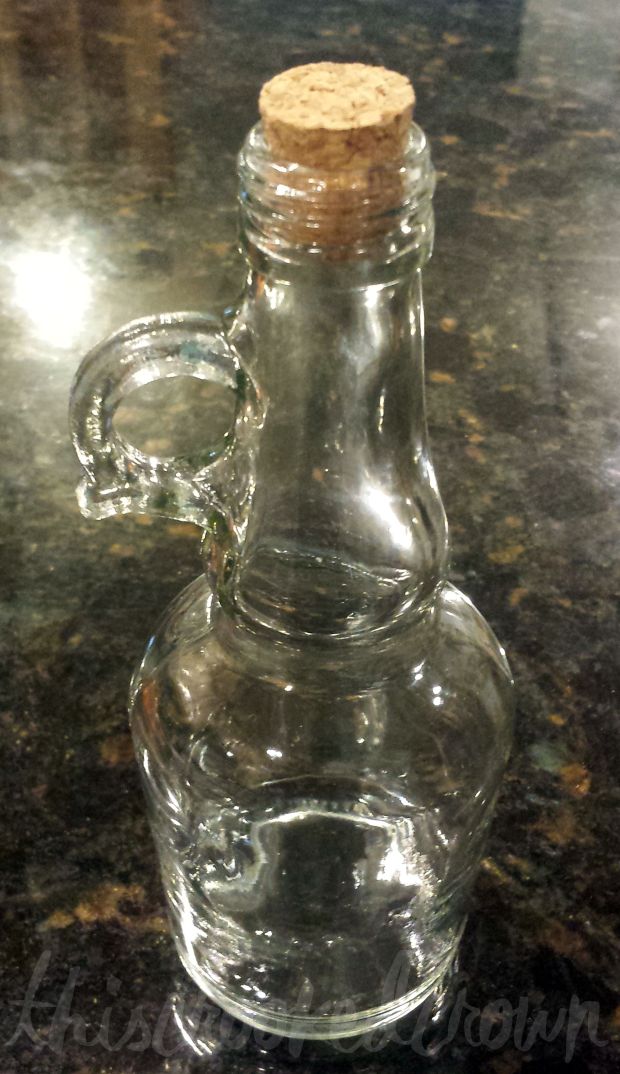
I can’t be the only one that sees how many witch jar spells tell you to bury said jar in the ground and winces. Why? Because reasons, that’s why.

Don’t roll your eyes. Read on.

2016-03-29 22.09.35

Here’s a few reasons why burying all the witch jars you make can be a pain in the ass:

  1. It can break. Broken glass can eventually make its way to the surface and that barbeque you’re having can turn into a trip to the hospital. This is especially dangerous if the glass was coated with or holding poisons, rust, metal, or other harmful materials.
  2. Finding the jar again. Let’s say you want to undo a spell. Or you just need to find the damn jar after you buried it. If you didn’t mark it, you’re going to be playing the guessing game on locating it in the earth.
  3. Too many jars makes for a full garden. Think about it. Bury six jars in small space then try to plant a garden over it. You can do it, absolutely, but that’s a lot of earth being taken up for a spell.
  4. You’re burying a perfectly good glass jar. I hate using glass jars for spells. I prefer to use and reuse glass jars until I can’t any more. By can’t I mean they shatter, are given away, hold poisons, or contain a smell that can’t be dispersed.
  5. It isn’t your land. (Maybe) You’re renting? Live in an apartment? On campus? Maybe you shouldn’t be burying shit in places you don’t own a deed to.
  6. Someone else could dig it up and find it. And how much would your plan suck then?
  7. Glass doesn’t decompose. Technically called devitrification (if I remember correctly) only some glass actually “breaks down”. In this process, the glass crystallizes as typically seen in art glass, crazing, warping, etc will occur before the glass actually becomes so fragile it will break. This occurs over long periods of time. Some types of glass can be broken down with chemicals such as hydrofluoric acid. But most glass we use, such as silicates, don’t break down naturally.

So what the hell am I bringing this up for and what am I suggesting otherwise? Because I find a lot of people are bottling things up and shoving things in jars as a matter of course. It’s just what you do. And, that might be personal practice and belief coming into play but it’s not necessary. Easy and convenient but not necessary most of the time (from what I can see).

arsp 01

Ask yourself this when gathering ingredients for a spell:

  1. Does it need to be buried? Does it really? Are you sure? There isn’t some other way to solve the problem?
  2. Is this a short term spell? Maybe burying it in a potted plant is better.
  3. Does it need to be liquid? You can soak herbs in vinegar, hot sauce, protection oils, water, etc. without needing to fill a jar. It might even be easier to soak said herbs then leave them for the spell’s target to stumble upon. Hell, you could even spritz some vinegar/water/oil/etc on it and it would probably work (depending on your paradigm and all that).
  4. Does the spell need to be contained? Sometimes spells don’t need to be contained. Sometimes you need them to leech into the soil, earth, and world. If it doesn’t need to be contained, perhaps you should try putting it in a paper bag or a “biodegradable” bottle (most of these aren’t fully biodegradable and don’t do it in five years as advertised so keep that in mind) Jars contain things. Why would you put something in a jar if you want it to get out?
  5. Is it a funeral? A lot of the time I see “bury this” spells is because you’re suppose to be given it a funeral. If you aren’t doing that, then you may want to rethink burying it.
  6. Is it a secret? I don’t bury my protection witch jars. Instead, I hang them up. I put them on display. I let the world know this place is protected. Besides, it also serves as decoration. (Obviously, if you’re in the closet or the spell has a secret purpose, this isn’t an option).
  7. Will some other container make do? I paper bag half my “bury this” spells. Especially if they don’t contain liquid. And the ones that do sometimes don’t need that much liquid. Instead of shaking the jar, I’ll shake and squish the bag instead.
  8. Can you reuse the jar? One your spell has gone off, are you willing to dig up the jar and use it again? I’m not talking about the ingredients. I would bury the organics and bring the inorganics to a recycling station or dump. I’m talking about the jar itself. This comes down to personal belief and practice. I go either way on it personally but to each their own.
  9. Does it need to be sealed? Many witches seal their jars in wax. Why not make a container of wax instead?  Or seal a paper bag or whatever. It’s still sealed and yet you’re not burying glass.
  10. Does it actually need a jar? Many jar spells don’t need to be jar spells. It’s for convenience. You can pour hot sauce or vinegar over paper to curse someone. You don’t always need to stick it in a jar.

I’m not talking about just curses. This applies to ALL spells. And sure, I still make spell jars. It’s easy to make a jar. It’s harder to deal with a spell when it’s messy and everywhere. And I’m not saying everyone should suddenly not use jars. But I hope this little spiel has given at least one person a second’s pause before they reach for that glass jar and consider an alternative.

In the end, this is going to come down to personal practice, personal belief, and convenience. Do what you do and I’ll do what I do.