A no muss, no fuss divination book. It covers the most common forms of divination (tarot, scrying crystal balls, tea leaf reading, and so on) and does it in a easy to understand and thorough way. I knocked it down from a 5 to a 4.5 because I question the inclusion of a chakra pendulum chart. Like, I can see it’s usage, but it’s literally the only inclusion of this sort of thing in the book.
This book is small but mighty.
Filled with images, it’s something akin to a quick starter guide you get when you buy some sort of new electronic. If you already know what you’re doing, then this info won’t be a revelation. If you’re new, it’ll give you all the information to get started and clue you in to what you might want to research next.
Each section covers a new form of divination with all the info you need to get started and includes basic spreads or charts for each divination form.
The book covers crystal tossing (as in tossing crystals on a mat and determing meaning depending on the stone, the nearby stones, and position on a mat). This book includes basic divination meanings for commonly used stones, which is very helpful if you’re just getting started. It doesn’t cover crystal grids, which I kind of expected it too, since it mentioned them in the opening pages, but I’m ok with that info not being present.
Pendulum’s are also covered. I’ve don’t remember seeing a pendulum chart using chakra before and I’m very meh about it. Like, I could see the usage for it, especially if you’re very into Western chakra work or maybe helpful even in Eastern chakra work, but… eh. I have feels about it that are a tangent for another time. Anyway, color coding or simply having the meanings written on the chart wouldn’t have changed much, but maybe I’m just being too picky.
Runes, specifically the Elder Futhark, are also covered. I have personal spiritual history with runes that kept me from using them for the last 20 or so years, so my knowledge is from the first five or so years where that connection wasn’t present. (Maybe one day I’ll tell that story, but not today.)
Anyway, the book covers the three aetts (sets) and then goes into the runes individual meanings (including inverted). I am not a fan of inversion with any kind of divination, traditional or not, unless under specific circumstances and conditions, but to each their own. The book does have a note about inversion and not using them if you choose, which is always nice to see.
The instructions for tea leaf reading are simple (a little elaborate compared to how I do it, but you do you). Honestly, reading tea leaves (or coffee grounds) doesn’t need to be complicated. The little dictionary of symbols is more elaborate than other divination books like this.
I know some things about a palmistry, but not enough to put together a reading, so I paid attention to this chapter. This gives you enough information to get started. It even discusses the difference between chirognomy (the shape of the hand) versus chiromancy (the lines on the palm). It’s a good beginner’s primer. It’s one of the larger chapters in the book.
Chapter six is about tarot cards. Like the rest of the book, it’s a great guide for those who want to try their hand at it. It includes a few basic spreads then the usual card descriptions with both the upright and the reversed. The card descriptions also include images of the card, which is handy for beginners, The cleansing methods for the deck are unusual ones that I’m actually a fan of. It’s another longer chapter, about thirty pages.
Numerology is not my thing – I’ve a learning disorder involving math. I’m aware of sacred numbers and how to calculate various personal numbers and so on. But since math isn’t my thing, it’s been decades since I really dug deep into numerology.
This numerology chapter is actually pretty good (from what I can tell) including auspicious numbers, compatibility, and a breakdown for each basic number and talks a bit about the master numbers.
Scrying with crystals was the first type of divination I taught myself. It’s my jam. This final chapter talks about recording and planning your scrying sessions. How to connect to the scrying crystal and how to choose a crystal. This chapter refers to a crystal ball, but I’ve used raw pieces of crystals and it works just fine. It’s unusual to run into crystals like amethyst in basic scrying divination instructions, but I’m totally cool with this. Of course it goes into how to scry and variations thereof. It also talks about the symbols and colors that might appear during a scrying session, which is always nice.
And that’s the end of the book. It’s a good little book for someone who wants to get into divination, but they’re not sure what kind and they want just one pretty book on the subject on their self.
Would I recommend it? Yes. It’s not going to be show anything new to people who’ve been divining for a long time, but beginners will enjoy the book. Would I buy it for my own library? Yes. I like having various divination books to compare and contrast. Plus, it’s a good little book.
Witches and plants go hand in hand. (Generally, of course. I’m not the boss of your craft, but, you know, it’s generally a thing.)
But gardening is expensive. So expensive. You wouldn’t think nature, the thing we live on, in, around, and with would be difficult to acquire, but it is. You can easily drop hundreds if not thousands of dollars a year on gardening – just indoor gardening. Never mind external gardens.
And witchy plants? SO MUCH MORE EXPENSIVE. Either you need to safely wildcraft them (and some of those plants shouldn’t be removed from their environment if you aren’t 1000% sure you can handle them, because the plants need all the propagation opportunities possible) or you buy those plants. Buying seeds can be a few bucks here and a few bucks there, but there’s always a good chance that your plant won’t grow. Then you’re out a few bucks and all you have is a jar of failed dirt. Buying live plants is a better middle ground, but plants do experience trauma so you still have a risk of them dying.
Aside from the expense of the actual plants, you may need to purchase soil, soil additives (because soil is not the same everywhere and some plants are unhappy without certain soil), pots and planters, plant trays and moving wheeled platforms for larger pots, plant food, and possibly plant lights or a water system. That’s for indoor plants. Outdoors? That’s a whole different expensive level.
So, here’s some witchy truths and tips for indoor gardens.
True Facts
You will fail. Plants will die. You may feel like a murderer. It happens to us all.
Google plant care for your plant. It may just save your plant’s life.
Ask fellow gardeners and witches for advice. This is something all of us do in regards to plants so many are quite happy to talk about it.
It’s better to have one healthy plant than six unhealthy plants.
Plants do not always smell good. Some plants smell like ass and others will smell like death, piss, or onions. The prize may outweigh the cost, but not always.
You will have bugs. Even indoors, there will be bugs.
Sometimes the organic or better quality stuff isn’t best. Think before you buy stuff for your garden. You organic soil may sprout mushrooms that kill your plants (true story) and you may find that a clear vase of water with a handful of rocks is better for a plant than a specific growing pot. Trial and error helps here, but don’t sink a ton of money on something without trying to more common stuff first.
Many, many, many plants are invasive. Mugwort, mullein, chamomile, and mint are common invasive plants used in witchcraft. I recommend googling before purchasing or at least googling before planting in the ground for all plants. Some plants spread like crazy and will destroy your garden if giving the chance.
Annual means that it grows for less than two years and will need to be replaced, most lasting a single season. Perennial means it comes back again and again. Some perennials self-sow so you may get a perennial plant to come back, just not the same plant as before.
Keep an eye on how warm your plants can get. Too much heat will kill them, but so will too much cold. It may be best to put a plant on a table near a window than in a cold window sill, even if the window gets better light.
Not all plants are pet-friendly. Google may tell you if a plant is toxic to animals, but a better bet is to just keep them out of a pet’s range.
Plants do weird shit. Expect to be surprised.
Where to get your plants
Grow from seeds
Get a cutting or live plant from a friend
Grow them from kitchen scraps
Buy a live plant at a store or nursery (online or local)
Wildcraft one (so long as the population of said plant is super stable)
Check the clearance section of a store or nursery
I’ll be honest. I normally search the clearance section of stores first for plants to rescue. Normally these are plants that are growing weirdly, need transplanting desperately, or simply look unhealthy. And they may be all of that! But they’re usually really cheap so I tend to rescue them first and foremost.
I can, have, and do grow plants from seeds. I usually keep my plant purchases to a minimum from seeds, merely because I don’t have space to give lots of plants a head-start indoors. (Most of my growing space is a single large window where all the indoor plants live during the cooler months). I normally harvest seeds from foods I’ve consumed (like avocado or lemons), but I also buy seeds from Baker’s Creek (rareseeds.com). They sell heirloom vegetables seeds as well as flower and herb seeds.
My favorite (and cheapest) suggestion is to grow plants from fruits and vegetables you already have purchased. I’ve gotten ginger, scallions (green onions), potatoes, sweet potatoes, celery, garlic, and pineapples from kitchen scraps. Root vegetables and plants with bases like celery are easier to re-grow, in my opinion. A quick google search of ‘food you can re-grow from kitchen scraps’ will yield good results.
Some of my best plants I get from nurseries. Yup, they’re more expensive (but not much more, to be honest, then home improvement stores), but they’re way happier plants. And you can get some beautiful selections you might not get elsewhere. Plus, you’re supporting a local small business, which is always a good thing to do. Two years ago, my household scored black petunias (actually a very dark purple) at a nursery whereas we had never seen them before. My preferred nursery is owned and operated by a single woman and conveniently is a few houses down from my preferred farmer’s market. I just have to remember to grab some bug spray before going and I’m a happy witch.
I rarely get plants in other ways. I sometimes will transplant a wild plant to save it from becoming someone’s lawn clippings (like I did with my bittersweet nightshade) and I’ve gotten plants from other people, but largely, I acquire my plants in the above ways right now.
Planting and grow your plants
Following your plant’s care recommendations, provided by google, is best. Seriously. Each plant will require a learning curve.
My favorite pots for growing are a large clear glass jar and some cheap clay pots. I do have plastic ones, but I tend to only use them for very, very large plants. Ceramic pots are great too and I use them often. I skip concrete planters – they’re very heavy and I’ve had them crack in the New England cold winters. Who knew? Most of the time though, you’ll find a lot of my water-based plants growing in recycled olive or jam jars. I love the eclectic look of the different pots and jars, but if you like things more streamline and uniform, pick something that’s netural and available widely in a variety of sizes.
You can also use a double pot system. Plant your plant in something that might not be pretty, but you can place inside something that is pretty. I do this with plants that haven’t outgrown the pots they come in. Grow pots are cheap plastic and aren’t great, but sometimes moving a plant isn’t the best idea. I often just leave plants alone until they need some attention. I’ve done best at keeping things alive when I work in this manner.
I use decent but not stellar soil for my indoor plants (and I skip the organic stuff after a mushroom episode). I use dollar stone china plates for the bottom of my planters when I can’t find a real one to fit. Driveway gravel is great for draining rocks for the bottom of my planters, but it can be a bit sharp for some delicate rooted plants.. I dig using my hands and end up with dirt everywhere. I water as needed (unless the plants are liars) and feed them as often as I dare.
Working outdoors is a whole different game. There I have shovels, trowels, work gloves, clippers, shears, scissors, ladders, and every other thing under the sun. I use decent soil to bolster the land as needed or dive for gardening tomes to help balance the PH in the soil. I use mulch and large brim hats and consider the merits of growing compost and curse my yard’s poor dirt.
How I set up my pots generally follows like this:
I pick a pot about slightly less than twice the size of the pot the plant currently is in. If it’s a seed, then I use a very small pot about six inches tall and three inches wide. If the plant is very root bound (as in the roots are all tangled together inside the pot), I’ll upgrade to a larger pot.
I put a small layer of driveway gravel at the bottom of the pot. This is so the water doesn’t sit on the roots or soak the soil too much. If your pot has holes at the bottom (and you have a plant liner tray) then you can skip this step, but I generally always use the gravel. The gravel is somewhat pointy so be aware that it may damage very tender roots, so handle with care. I add more gravel if I’m planting something that needs drier soil, like a succulent or cactus. Some water plants are anchored by gravel and use smaller rocks for additional root assistance.
Then I put a little soil in, just enough to cover the rocks (or more if the plant is short but deep roots or it’s a seed)
I pull the plant out of the pot it’s already in, shaking some of the soil from the roots. If the plant is a seed, just plop it in the soil and plant according to recommendations. If it’s very root bound, you may end up spending several minutes loosening up the soil between the roots so the plant can have more room to grow. Be careful not to break the roots or any stems when handling the plant. Be gentle.
Then I pad the sides of the plant with soil, layering on more and more until the roots are completely covered and the plant is well secured.
Sometimes I add rocks at the top, but that’s largely depending on how much I want or need to protect the plant from soil erosion by water.
Then I drizzle water on the plant until the soil is wet. Finally, the plant can be placed happily in where I want it to go. I’ll add watering and feeding times to my calendar, as suggested by plant growing guides, and call it a day.
Planting Outside
I won’t cover planting outside right now, because it’s a super large topic and the advice will vary depending on soil type, weather, climate, sun/shade ratios, wind, what’s already growing, wildlife, and how much time you have to devote to it all.
My general advice for outdoor gardeners is to do a soil test, then you’ll have a general idea how much work you’ll need to do to adjust to plants. That being said, it may be easier for you to simply grow in containers than in the ground, especially if there’s a lot of trees, roots, shade, or something buried in the ground, like a septic tank.
Take photos and notes of the areas you want to grow in for at least a week at various times of the day. I just leave a little notebook in the window closest to that area and take notes and a photo every time I walk by. This will help you determine how much sun, wind, and shade that area gets at various times of the day. It also may tell you what wildlife is nearby.
Armed with that information, you can start planning a garden. Again, this is a huge topic, but I typically suggest raised beds, because they’re just so much easier to take care of and work with.
Now, if you have specific plants you want to grow in a specific area, then do a test. I plant my desired plant in a container and place it in a spot where I’d like to plant it in the ground in the future. It helps determine whether or not the plant will survive there. There’s no guarantee even if all this is done. Some plants just don’t do well in certain soils. You’ll have to risk failure to succeed.
You’ll also want to keep in mind how much a plant will grow and how invasive it’ll be. Mint, for example, grows easily in containers, but shouldn’t be planted in the ground or it’ll take over the whole yard. Ground cover can be useful, but sometimes it’s impossible to get rid of later and becomes a nightmare. Do your research before you plant something with a reputation of being invasive in this manner.
Adding some magic
Magic can be added to any part of the routine.
When selecting plants, I seek out the ones that are calling for help or seem to want me specifically. I listen to what the plant wants and that’s how I get many of my plants to do well. This is an animist’s point of view, of course, but I find that it really works well.
You can plant by the phases of the moon and some people do really well with it. I have a theory that if you have a lot of water on the property, planting by the moon works better, but I don’t have near enough data to really propose this seriously right now.
Water can be enchanted with the power of the sun or moon. You can also used infused water, like a tea or water from making pasta to water plants with. This will largely depend on the plant itself. For example, I use nothing but clear, clean filtered or purified water for my indoor bamboo. If I use anything else at all, it dies rapidly and it very difficult to save. Google will, yet again, be your friend.
What you fertilize your plants with can also be enchanted. Rose, according to some gardeners, like calcium so planting a hank of your hair alongside your roses is good for them. I’ve tried eggshells, but I didn’t notice any changes with my rose bush, but I think that’s largely due to the location rather than the plant itself. Once you figure out what weird things you can fertilize your plants with, the magical connections should come quickly after that.
Of course, you can additionally enchant the soil you plant in with enchanted water, carefully made compost, or enchanted draining rocks with sigils painted on them in environmentally friendly paint.
Pots are probably the easiest to enchant. You can draw or paint with environmentally safe paint on the outside and inside of the plant to encourage grow and health in the plant. This can be as simple as a sigil or written word or as complicated as an intricate painting. The choice is yours.
Placing decorations inside the pot is also useful. This can be done by placing a tiny statue in the pot with the plant in a manner where the plant won’t be crowded. I’m plotting to turn the soil around my palm plant into a tiny fairy cottage, lacing each item I acquire or make with spells for prosperity, abundance, and household happiness and health.
There are many other ways to enchant your gardening too. Garden tools can be enchanted for strength and to be rust-proof. Gloves can be enchanting to keep the hands safe. Support for plants can be soaked in enchanted water.
Don’t forget that you can simply verbalize spells by talking to your plants. There’s some research to support that plants like being talked to nicely and sweetly and that backs up my experience nicely. (The only plant I ever struggle with is a climbing rose I’ve named Diva and she’s the most prickly thing I’ve ever met. She gets me every time, no matter what I’m doing.) I like to hum or sing-song to my plants as I work on them, if I’m not just straight-out having a one-sided conversation with them. I get some strange looks, especially from my brother, but I don’t mind.
It’s a rare magical practitioner that hasn’t had to adapt a spell at one time or another. Usually it’s for personal practice reasons or ingredient reasons, but it can simply be that it’s too cold to walk outside or they just don’t like the spell’s steps or wording.
Adapting spells can be really easy – but it can be a challenge too. It’s okay if it’s a challenging or daunting task for you! It really is. Spell casting is a lot like cooking and baking; for some people, it’s easy to moderately okay and for others, it’s a daunting task.
Cooking and baking are relatively subjective. Things need to turn out a certain way to be properly edible and taste good, but not everything is going to taste great to the same people. Spells are a lot like that. There are some things that just won’t work quite as well for you as for others and some ingredients (like some foods) that you just don’t want to work with.
Like a recipe, there’s a way of approaching a spell that you need to adapt. Here’s how.
Step One: Read & Analyze
Read through the spell completely, including any notes the author or other practitioners may have made. Take notes yourself as needed, marking what things you’d need to purchase or procure in some manner. Also know any timing events that need to be marked on your calendar (such as the next full moon).
If you plan on making any adaptations, write it down clearly. You’re swapping this ingredient for that. If you don’t know what ingredient to swap something for, then you need to really sit down and analyze that spell. What purpose does that ingredient serve in the spell? If you can’t see an obvious reason, it’s probably best to assume it’s there for a correspondence reason. To help with that, check out correspondence charts.
How this compares to a recipe: When you make a new dish, it’s always a good idea to read through the recipe. It may need a special pan you don’t have or an ingredient that’s not listed in the ingredient list above. It may need the butter or eggs to be room temperature or it could be the baking is thrown off on cold days. There may be a reason that ingredient is specific to the recipe – without it, the puff pastry won’t rise or the chemical reaction you need for the yum factor doesn’t happen. Research helps mitigate this before you’re elbows deep in ingredients and realize you’re up a creek without a paddle and a storm is brewing on the horizon.
Step Two: Double check that you have everything
There’s little reason to try a spell or recipe when you’re missing half the stuff – it’s not the same thing at that point. You may be able to create something wonderful, but it’s a brand new spell or recipe. Not the same thing. That’s not a bad thing! Just make sure you write it down. But if you’re intention is to cast a specific spell, be cautious of exchanging too many ingredients or you’ll wind up with something different than the original intention.
That being said, I’m firmly in the camp of winging it. If you want to try and spell and need to adapt it, do it. Take notes on what you’ve changed (in case it works better than the original spell or goes terribly wrong), but try it anyway.
Step Three: Make your changes
Now’s the time for the adaptations. You’ve taken your notes and you have a good idea of what you want to do. Now to make the changes.
Sometimes swapping an item can be easy. You need something to represent luck, well, here’s four other herbs that do exactly that. When things have symbolic meanings or magical correspondences, they can often be easily swapped.
But not always. If you really want to be diligent, a quick google search with the ingredient plus something like “folklore” or “magical correspondence” can lead you to why that ingredient is considered lucky. This may be critical at times. Sure, an herb might be lucky, but only for gamblers. That isn’t going to help too much when you want luck taking an exam.
You also have to be aware of herbal associations. Some spells, especially the edible kind, have herbal combinations meant to do something actually physical to the body. It’s not symbolic in meaning, but science. So you can’t just swap in something with a magical correspondence when the concoction is herbal medicine in nature. Plus, herbs can be dangerous – they can counter to one another, they can react with medication or current medical conditions, and they can be toxic. So you have to be very careful when doing something that’s meant to be consumed.
Now for some people, they stay away from herbalism and stick with magical correspondences only. That’s perfectly okay! But be aware that many herbal connections come from herbalism. Even the weird ones. So knowing why something has that association may be important.
And none of that may matter at all. People can work intuitively with ingredients and make up their own correspondences and associations. That’s a great way to go about it too.
You also have to consider the purpose of the item in the spell. Swapping a red candle for a white one is easy since white is seen as a universal color or something of a blank slate. But when you start thinking, “well, I don’t think this makes a good candle spell. What if I skip the candle?” And for some spells, you can absolutely do that. The candle is superficial or is being used as a focus object (ie, something to look at and hold) For others, the candle is being used as a conduit (ie, the spell verse might have “as this candle burns”) or the candle has a practical purpose (ie, burning a piece of paper with writing on it). It’s harder to swap out items that are practical or are a conduit.
In short, there can be more to adaptations than just “this is the ingredient on the list that I have”.
Step Four: Do the spell
Go for it. Just try the spell. When you’re casting, you may need to change things up on the fly. Maybe the candle won’t stay lit or your neighbor is being nosy. Maybe the dog starts barking because she needs to pee or your phone goes off non-stop with notifications. Sometimes the wording is just plain weird and doesn’t work for you.
Adapting on the fly happens. Finish the spell. Even if you lose momentum or the build up of energy. Even if you feel rushed, judged, or things get weird. Finish your spell. Not finishing it can lead to weirdness and energy drains, at the least.
Use the words that work best clearly for you. Yeah, that old timey wording looks great, but if you’re not feeling it, use your plain ol’ normal words instead. Speak or think honestly and clearly when you need to make wording changes.
Step Five: Record
You’ve been taking notes all along. Now record what happened. How’d the spell casting go? Over the next few days and weeks, you’ll probably begin to see results. What are they? How do they meet your expectations? Do you think your adaptations changed how the spell worked?
As you progress with your practice, you may find that you don’t want to, need to, or like to write things down. I’ll be honest, as someone who spends a LOT of my time writing, I rarely write down the spells I routinely do or do off the cuff unless it’s really good. Mostly, I write down stuff I’m tinkering with. That’s my personal preference. You don’t need to have meticulous records, but they very much help.
I know a lot of this advice sounds like “just write it down!” and, honestly, keeping notes as a beginner can be really key. I am well-known for winging it in just about all my personal spells, but I take notes for myself on spells I’m working on. It can really help, especially when you’re doing an important working or you’re making adaptations.
Starting as a new witch is always hard, but the internet can make it really hard. Who do you trust? What should you focus on? Do you really need that $50 cauldron or those 80 herbs?
The truth is that no one’s going to have exactly the same experience. What your interests and passions are, who you are, and what you connect with on a personal and spiritual level all alter how you perceive even basic witchcraft information and that alters your path. You’re unique and so will be your magical practice. And that’s a good thing!
Still, it can be hard to get a good foundation and know where to begin. So here’s my top six tips for new witches.
01 Research Can Be Key – But It’s Not Everything
Spending time researching and reading various occult topics is really important as a new practitioner. Not only is there probably a lot to learn, but you can discover your new path and new opinions that way.
I find a lot of unique and interesting things about my own practices comes from research (and later experimentation). Research can show you new areas to explore and new things to learn. It can help you create a path that will stay with you for a lifetime. It can lead you to friends, coven members, or even life partners. It all starts with research.
That being said, research isn’t everything. Sometimes, you just have to close your eyes and follow your intuition. Sometimes you just have to take that instinctual leap. Sometimes, you just have to push up your sleeves and just try a spell.
Following your intuition and giving something a try can lead to wonderful, magical moments. It can make you really believe in magic.
It can also teach you a lot too. You may quickly learn that you dislike divination or verbal spells. Maybe you’ll go back to study those later, but for now, that dislike’s important information! It means that you should shift your focus away to something you do like for now. Come back to those dislikes later. Maybe the knowledge you’ll have learned since then will help you understand why you disliked it in the first place or maybe you’ll find that you still dislike it. Shelf it and come back later.
TL; DR: Read everything, but don’t forget to follow your intuition and passions. And use your public library!
02 You Don’t Need Everything
You know those lists of stuff you have that so-and-so blogger says are a must have or whats-their-face author swears you need? Yeah, skip it. At least at first.
If you’re getting into witchcraft I recommend just five things:
White tealight candles + lighter
A stoneware cereal bowl (plain black, plain white, or clear preferred)
A jar with tight closing lid (jam jars are great)
Thread or ribbon (your color preference)
Plain paper + smooth rolling pen
With all of that, you can do just about any spell. Seriously. And those items can be cheaply gathered from what you have in your house already or purchased cheaply.
Bonus tip: Don’t rush out to buy herbs. Use what’s in your kitchen first. Add slowly and in small amounts. An ounce seems really small, but it’ll probably last you for a year for most herbs. You usually just need a bit for a spell.
03 Write Down Your Experiences
I am weirdly awful at recording stuff for myself. I always recommend it for others, but I almost never do it for myself. But! There are many times I’ve made a spell at a drop of the hat and wished I wrote it down because it worked great but I have no idea what I did so I can’t replicate it.
Even something as simple as a notebook with “I did X, Y, and Z” could help. Use a journaling app, post about it, or email it to yourself.
For those looking for more elaborate set-ups, there are lots of spell recording layouts out there. Just google or spend some time on pinterest.
04 Someone Else’s Practice Is Not Better Than Yours
There are a lot of people out there practicing spiritual or magical paths. And many of them post about it. Those altar pictures might be beautiful and they may have had a great experience with the deity your worship. Maybe they just have a gorgeous spell casting area or a meditation corner.
The thing is this: you can absolutely admire their practice. You can say “wow, it’s great that they’re having those experiences”. But those practices might not be yours to have. Cultural appropriate weighs in here heavily, but you also have to consider this: are you really going to change your whole practice and what drew you to practicing to begin with because someone has beautiful instagram photos?
There’s also no guarantee that what that person is post about is all that practice is. Sure, maybe the water goblet is used as a water element representative, but it might have another purpose that’s special to that person. You may be missing the point behind the prettiness of the scene.
And, real talk, they may be just taking pretty pictures. They might have spent hours to get the altar to look pretty just for those photos and spent five minutes lighting a candle and saying “hey, thanks”. Or they are lying about the experiences they have. People do lie within the community about their experiences, mostly for attention reasons. I have a policy: I believe people are experiencing what they say they are experiencing. I don’t doubt them. But I also know that those experiences aren’t any less valid or any less true than anything I’ve experienced. This policy allows me to live and let live, essentially.
You can want that beauty and experiences for yourself. Be a little jealous or sad that your practice isn’t as pretty or you’ve having great experiences. But let those things drive you to do better for your practice. Ask yourself if you’re changing things because they have meaning to you or if it’s just because you really want it to be beautiful. You can have beautiful things in your practice and they can be there for just the pretty factor. Just make sure that you aren’t altering things to having all beauty and no substance.
05 It’s Okay To Not Like The Popular Thing
So you tried that awesome tarot deck that everyone loves… and you didn’t like it. The art’s too dark or the devil card scared you or you just don’t like tarot card reading. That’s okay!
Sometimes we get stuff because we fall into the hype or we thought we’d use it and we didn’t. Or our practices changes and we don’t need it. When that happens, it’s okay to grieve a little that it didn’t work like you wanted it to. Then let it go. Give it away, sell it, donate it, etc.
You don’t need to hold onto things because everyone’s loving how deep and meaningful it is. If it doesn’t work for you, then it doesn’t work.
We change as people change. And so do our practices. It happens, sometimes very slowly over months and years. Sometimes it happens quickly because of events, trauma, or revelations.
Don’t be afraid to let your practice grow organically. If something’s working, then keep doing it. But don’t be afraid to set aside practices that no longer work for you.
06 Use Your Local Library
Your local library is a literal lifesaver, especially when you’re just starting out. I have bought books because I loved reading it. I have not bought books because they weren’t as good as I was hoping or the subject wasn’t covered as well as I’d like. I’ve been able to research a lot of stuff that would cost hundreds of dollars to research without it. I’ve sometimes saved that much by borrowing a single rare book alone. (Yes, seriously)
Not only can it save you a lot of money, it can also spare you from buying books that you won’t use or don’t like. Maybe you’ll find out that you really don’t like that popular author. Or that you’re not a fan of how this mythology book writes about goddesses. Just because something’s published, doesn’t mean it’s good. And not every book out there is something that you’ll want to re-read. Borrow the book, read it, and return it. And many times you can request a book from another library through the intra-loan system and have it delivered to your local library.
Many libraries also have a digital library where you can borrow e-books to read. Many times you can find the e-book, but not the physical book in your local library. Not only does this mean you can read it on the go, but no one sees when you borrow a book. It’s on your library record, but that’s all.
What else can your library do? A LOT. Here’s my local library as an example:
Free wifi with tables and chairs in various spots for privacy
Borrow movies – some even digitally – for free. Some libraries allow you to borrow music.
Public computers, free to use.
Print and fax machines, with a low fee.
Public notary
Meeting rooms for community events. Some libraries may allow these for private clubs or groups.
Free to borrow passes to museums, zoos, aquariums, and more.
Hosts free talks, lectures, and classes on many different subjects, including local wildlife, gardening, cooking, art, night sky viewing, crystals, reiki, history, and more. This month had geocaching, making a corded bracelet, a fairy house, outdoor photography, instant pot demo, vision board making, making a journal from scratch, bullet journal 101, four cooking classes, how to properly use a telescope, and basic info on Iceland and traveling there.
Free indoor and outdoor concerts from local musicians and well-known folk musicians.
Free art exhibits from local artists.
Free events such as passport processing, public paper shredding, movie showings, and similar.
Free trivia nights, including Harry Potter specific trivia nights.
Weekly clubs for teenagers and adults, including writing, journalling, knitting & crochet, quilting, and book clubs.
Weekly classes, including adult art class and children’s coding classes
Weekly English as a second language classes, including the requirements for citizenship
Weekly homework help or tutoring
Weekly computer and technology help, including help for using things like apps
Seasonal weekly farmer’s market with outdoor concerts and events.
Access to academic journals, digital magazines, online computer websites such as genealogy websites.
Online classes, including foreign language classes.
Locally published books found no where else on local areas (Key for local superstitions and folklore).
Public 3D printer
Private recording studio (you just need to book an appointment)
I can borrow a telescope to take home for a week
I can sign up a raised garden bed in the community garden
And that’s just the adult and teen stuff. For kids, there’s twice as many classes and events, including giant lego blocks, storytime, reading to animals, and more. Some libraries will even deliver books to you in a homebound program, allowing the elderly and disabled to use the library fully.
Given, my city is a small-to-medium sized city with only two libraries and a learning center. My friend lives a few towns over and their library has a mini museum, a full outdoor playground, borrows cake pans and fishing poles, and the elderly can request books or audio tapes and get them delivered at the nursing home. Each library is different, so check and see what your library is doing.
Also, I’ve never been to a library where I need to flash my library card to get in the door. You can probably walk into any town’s library and read their books. You just can’t borrow those books.
Use your library. I can’t stress it enough. The more you use it, the better for everyone.
That’s it! I know some of these seem kind of basic, but really, it’s okay just to take things slow and let them happen as they happen.
I don’t keep an altar. I don’t need one in my practice. But I like the beauty of altars and shrines and most people do have them. But not everyone can leave things out, whether because they’re not public with their craft or they have children, pets, or share space with other people.
I do, however, have a work-space. Over the years, it’s varied. It’s been a desk, other times a floor. Right now it’s usually (but not always) my kitchen counter since I keep most of my herbal ingredients there and it’s a large surface.
A work-space is different from an altar in that a work-space is secular. It serves the same function as the altar you probably have, but it’s pretty much a table you do your spellcasting and research on.
How’s that different from an altar? Ideally an altar is a religious space. You use it to make sacrifices and/or offerings. It can also be used to cast spells or rituals in the name or honor of those worshiped there or used to invoke those entities. It doesn’t have to be to a deity either – an elemental altar is quite nice.
As a side note, a shrine is also different from an altar. An altar is the surface where rituals and offerings are performed. It’s a space in a temple or holy space. A shrine doesn’t necessarily have an altar. It’s a space where religious idols are placed and honored. Offerings can and are made there, but there may not be an actual altar space.
Not that the terminology is super important. Most people use ‘altar’ rather than another word because that’s exactly what they have. Others use it because it’s a word that people understand without going into specifics. Or they use it because that’s what they’ve been taught to use via mentor or texts. In the ’90s it was unheard of to not have an altar, even if the work was secular in nature and that was the word everyone used. The bad terminology continues simply because that’s what’s written about or used. . what they’ve been using and/or what the text they’ve read write about. It doesn’t really matter what you call your space. Owning it is enough.
Of course, owning that space, whether altar or work-space, is difficult on the best of days. How to you decorate for seasons? How useable is the actual space? Will you start a fire by a misplaced trailing sleeve or knocking something over? Is it comfortable to sit at? Is it pretty? Is it secret or safe? For those who don’t share their practice, it can be difficult to have a shrine, altar, or even a work-space without giving something away.
Finding creative solutions for those problems can be difficult, especially when you’re concerned about decor or safety. And most solutions found can be very expensive. I’m a fan of DIY so I’ll offer a DIY post whenever I find it but remember to do some number crunching before you break out the tools. Sometimes it’s simply cheaper to buy something over making it!
So here’s some ideas for beautiful altars that are low key and still be practical.
Glass or acrylic tables and cases
These are tables that are, by and large boxes or rectangles with glass tops or sides. This is probably one of my favorite ways to display something and still have it safe from grabby hands. As a bonus, you can do rituals or offerings on top of the table, allowing for some really inventive set ups. Just make sure that if you work with hot materials, like candles or incense, to have some sort of heat-proof plate under it in case of melting. (This includes incense ashes. Trust me on this.)
Examples:
IKEA’s LIATORP coffee table fits the bill here nicely. Four compartments in a slide out drawer means you can devote each compartment to an element and still have that table top to work on plus the shelf underneath to store a basket of stuff in. Stuff as ordinary as remote controls or a blanket for the couch or a pile of candles.
Make up boxes such as this one is a great idea. Throw some crystals, pretty shells, feathers, and whatever else inside and make it like a curio cabinet, all while keeping everything safe. On top, you can light a candle on a heat-proof candle plate.
This acrylic trunk or this one are perfect options for displaying those giant crystals the size of a baby. Keep them clear of grabby paws and gravity. As a bonus, you can use make crystal grids right on top or even use it as a coffee table. A handmade version is here for those willing to drop the coin.
Terrarium Side Table DIY from A Beautiful Mess is another clever idea. I’m not sure how totally feasible it is for the plants inside of it, but I could see for something like cactus or even a rock garden. An aquarium version could be used for moss balls like kokedama.
Hidden Storage Furniture
These might not be showcasing your beautiful stash of stuff, but they are probably the most useful and low-key of anything else on this list. They’re also something of a super obvious option in some cases, but they are probably some of the most accessible. WIth all of these, various quality exists and you’ll want to consider the weight of what you’re storing inside and whether it needs to support weight on top as well (ie, will it be used for extra seating).
Beds with storage are pretty easy to find. So is shelving designed for baskets or boxes as storage. These furniture pieces are easy to source (or even DIY with a little googling) but they also are well-known. These drawers and baskets can be filled with anything and people won’t tend to question what’s in them. Hidden in plain sight, plus the stuff’s out of the way and can be mixed with mundane stuff. However, they can be easily accessed by people and might be prone to peeking.
Storage ottomans allow you to have an ottoman that also has storage. Usually, people use these ottomans to store remotes, extra blankets, or so on. I’ve used mine to store tarot cards, books, exercise equipment, and a number of other things. Buy here or here. DIY here or here.
Benches and chairs have also been turned into storage. Buyer and DIYer beware however. Thinly seats may break, which is not only embarrassing for the person sitting there, but may also damage the stuff inside. Buy here or here for benches. Buy storage chairs here or here (with a desk). DIY bench here and DIY chair here (although this design also has been sold online as a “sewing chair”). I’ve also seen DIY versions of storage chairs where the seat was a drawer but I can’t find a link to share. Another bench version is to have drawers that pull out on the side rather than flipping the seat up. A super version of a bench would be to place a shelf where baskets can be placed and put storage behind that, essentially stacking two storage shelves one behind the other, re-reinforcing the sides with wood and using the sides as the seat of the bench. This style is seen in daybed or twin bed version as well, like here.
Trunks are actually great because they can be portable, especially if it’s a trunk with wheels. But people know trunks = treasure so it might not be as stealthy as you would like, especially if you’re surrounded by nosy people.
There’s also an assortment of tables ranging from coffee table to dining room that have tops that lift up or move in some way, revealing storage underneath. In living room or bedroom set ups, they’re used to store things like remotes or sexy stuff away away from prying eyes without revealing that there’s storage there at all. In dining room tables, they’re usually used for game storage for table top gamers or for silverware storage. DIY versions here or here. Lots of different versions out there to buy from, so use your google-fu.
Shelves
For some people this is an obvious and useful solution but for some people, well, it might be a joke. I’ve lived with thin, fragile walls for over dozen years so putting anything on the wall has always been something of a laughable situation. If you’re a renter, it’s even more hilarious because who wants to patch dozens of holes?
But it’s totally useful. It’s one of the greatest ways to get something off the floor and out of the range of pets and children and still showcase off things. You can also just put your altar or offerings on the shelf so it’s something of an exception to the rest of the items on the list in that way.
What shelves you put up will vary on your style and space but you can go as thin as photo ledges and as large as built in bookcase style. They’re a lot of options available so get creative.
There’s also the option of bookshelves with drawers in them. Or even secret compartments like this one.
I really love hanging shelves and small tables from the ceilings. This has the added bonus of being easily removed when nosy folks are around, but you’ll have to have a strong support on the ceiling.
Herb Tables or Trough Tables
Originally designed as a drink well for picnic tables, these tables have expanded in usage. It could be a really clever way of having the elements available IN your altar surface but it can also be used as a herb garden.
Honestly, this is probably the least useful item on the list. Unless the tray is removable, cleaning the tray will be as much fun as cleaning window sills or gutters. It only only has minimum usages. As much fun as it would be to image a tray with four sections filled with whatever representatives you want to have for the elements, by and large, it’s probably not going to be a good solution for most people.
These are just some of the ideas out there. Pretty much anything that’s got a secret compartment could be used. Try storage solutions for tiny homes or RVs as well – those tend to be great sources of never-seen-before storage and that means less people can guess where you’ve stashed your stuff.
For some people, taking some of these measures might seem extreme, but if you’re not open about your practice (for whatever reason), knowing your options can be very important.
We dove into some magical theory with handwriting as sympathetic magic. The post talks about how your handwriting and signature is as good as a poppet or hair in a spell. Also gives tips on how to disguise your handwriting / signature from this very thing.
What is it? A series of spells and rituals cast in your name by me (a professional witch) for 2020. It’s designed to be relatively secular and integrate with your own magic and spells. The spells are meant to clear out the old from 2019 and bring in new energy. If you’ve done your 2020 prep and think you need a bit more of a push, this is a good choice.
The package includes the following:
Sigil made just for you
Energy cleansing of the home and body
Invoking purifying elements and energy
Banish negative elements, such as bad luck and negativity
Invoking protection, abundance, prosperity, good health, and good luck.
Blessings of the sun, moon, stars, and elements (earth, air, fire, water).
Handmade cleansing and protection herbal salt.
Handmade herbal charm to encourage abundance, protection, luck, and health.
Handmade blessed and enchanted unscented jar candle with light herbal elements.
Written detailed account of how the spells went when casting and what you might expect to see as a result.
If interested, snap up your spot today. There’s a limited number of slots available for this package.
Also, if you’re looking to find someone special for Valentine’s next month, consider the Beckon Me A Lover spell. A combo love attracting spell and ego-boosting confidence spell, the spell’s intended to draw a lover towards you.
To buy, you’ll need to drop me an email here. You can read more about the spells available for purchase or request a custom made spell here.
Patreon
If you haven’t popped over to the Patreon recently, you might want to. I’ve launched the first chapter of my Patreon exclusive novel Artifice. It’s a LGBTQA+ fantasy novel about magic, alchemy, court political games, and love. You can read a bit of it here.
Patreon members get access to short stories, novels, and the inner workings of This Crooked Crown. You’ll also get monthly exclusive spells, articles, energy castings, and divination readings.
Your support means I can spend days researching new topics and spells to give all of my wonderful followers and it’s always very appreciated.
That’s it for this month! I hope the start of your 2020 was wonderful. Don’t give up if things haven’t worked perfectly throughout the month. You can always start again! Best wishes and safe journeys! See you in February!
TL;DR: It’s more than just “take a bubble bath and meditate”. It covers real self-care and includes a ton of spells too! No errors or issues that I could see.
I love this book. I’ve heard great things about it and it had been on my wishlist for a long time. My library network scored a copy, so I borrowed it Halloween week… and didn’t read it until mid-Novemeber the night before it was due back. (Which is kind of ironic, given the book’s content and reading is one of my self-care methods.)
This book covers true self care. Not the bubble baths and binging chocolate cake, but actual self-care. What it is and what it’s purpose is. Respecting yourself. It’s quite great. It doesn’t linger or drag out details, but it covers what self-care is and isn’t and moves on. It differs itself from the self-care media presents and breaks down why the image of binge eating and marathon watching TV while the chores go undone is a BAD and harmful image of self-care.
The book introduces a bit of advice or a self-care goal, such as accepting failure, then offer a spell or ritual to do just that. It’s kind of an amazing design and you end up with a book PACKED with gentle advice and spells.
It’s not just about mental health. There’s also advice and spells for physical self-care, such as enchanting a reusable bottle of water to encourage you to drink more water (and be happier). Recipes are also included in the physical health section. Soups, breads, and main dishes. There’s not a ton of recipes, but there’s a handful for you to try out. Tea’s covered a bit too.
If you’re into making body care products, like sugar scrubs or body butter, there’s recipes for this too. Quite a lot of recipes, actually. I was really impressed with the amount. Many of them are also magical recipes for courage, serenity, and more. So if you’re a potions class fan, you’ll like that section.
The book up until now, by the way, has been completely secular. All the spells and ritual, all the advice, totally secular.
There is a section of the book covered the spiritual and it starts by giving some brief intro of gods (including some deities to check out that would be helpful in self-care). The extra nice part is the book empahsises that you should develop a relationship with your deity. I’m a secular witch, but I’m also an animist pagan. (Secular isn’t atheist, they’re just separate parts of my life.) I really appreciate books that cover spiritual or divine subjects and don’t say “summon up this deity to do X, Y, or Z”. Animal energies are also covered by this, without ever saying the super controversial words “spirit animal” (in fact, that’s never published in this book), with the same advice as the gods. So refreshing to run into and I am HERE FOR IT.
The advice covered here is all good. Community, reconnecting with yourself, and more. The spells and rituals are similar. Spells to review your spiritual beliefs, for example, might be something long-time practitioners would enjoy. It also gives some ideas for daily rituals.
I’ll be honest, I don’t do daily rituals. Magic is a daily thing for me, but beyond meditation (which is more about mental organization than magical practice for me), some cleaning, and exercise, I do NOTHING daily. Some mornings I’ll get up, make my bed, have tea, and crawl right back onto my bed to write for the day. Other days, I’m out the door to run errands as soon as the shops open. Or I’m at my desk with a pile of work and a huge cup of coffee. My days aren’t standard, so I don’t bother with daily rituals beyond what I know is 1000% practical. Hell, even my workouts and meditations aren’t the same. I just don’t like routine, so I don’t do daily rituals or daily draws (for tarot cards). It’s simply not something I’m interested in.
That being said, the daily tips and spells would be really useful for pretty much anyone but those like me. They are a bit more elaborate daily rituals than I’d be willing to do, even when I had a set schedule. Lighting candles and so on is right up this book’s alley. Because it’s about self-care, these rituals are designed to take a moment out of your daily routine to focus on your spiritual health.
The section on meditation is nice because, meditation is so commonly prescribed for all that ails you and while, sure, it probably can help with issues, it’s not the be all that ends all. Some days, it’s a struggle just to stay in the meditation. Sometimes you’ll fall asleep. Sometimes, it’s not working for you. Sometimes, you just do not have the time. All of that it A-OK and this book is totally real about that. There’s also some meditations offere there for you to follow. This includes meditation teas and even meditation incense recipes. And info on how to make your own set of meditation/prayer breads. (As an aside, if you do decide to make some prayer breads, perhaps do a bit of research on different types. Malas are not rosaries after all and their structures are different for different reasons. Maybe after the research you’ll have an idea of how you want to construct your own beads for your own magical or spiritual reasons.)
A lot of the spiritual self-care is practical. Sit in nature. Do something creative. Sounds simple, but it’s often something we don’t do. This book gives you inspiration to get out there and try stuff. Or crafts and spells to encourage and inspire you to do creative things.
There’s also chapter on household self-care and this is my particular jam. When I advise cleansing, I always advise cleaning too. Nobody likes it, but I find it to be as useful as cleansing and the combination can be extremely powerful. Household self-care is the next step beyond cleansing and cleaning. It’s making your home good for you. Create comfort, elemental balancing, and so on. And yes, even a mention of cluttered space and cluttered energy makes an appearance.
Cleansing is covered, along with protecting your home’s energy. Creating altars and shrines, including a gratitude altar and an altar to yourself. The chapter ends with recipes for aromatherapy blends (make sure those blends are diluted and safe for both yourself, others, childrens, pets, and personal belongings before use!) and incense blends.
And that ends the book! It doesn’t have a final or closing statement, which is kind of weird. One page is incense recipes and the next is the bibliography. The book is also so jammed packed with that it will be hard to find the exact spell or recipe you want without heavily using the index (which I always support) or bookmarking different pages. Still, the book is truly great and I recommend it to anyone who wants to look into self-care on a magical level. Just check the book out the spells alone is worth it. This book is officially on my to-buy list.
May your year be filled with glorious growth, spectacular successes, brilliant energies, great loves, few losses, and overflowing abundance!
Welcome to 2020! It’s great to be in a new year where you can give yourself a calendar-centric new page to your life.
As you can see above, my blessing for the year. Below, I’ll do a little introduction of myself (for new readers and old), a discussion of 2020’s goal and keywords, and then tackle my resolution. Not interested? That’s cool. Scroll to the end of this post for a spell to give your new year’s resolution a magical punch.
Introduction
Me: I’m Samantha, also known as This Crooked Crown. You can call me Samantha, Sam, Crown, or any variation of that. Pronouns are she/her/hers or they/their/them. I’m a professional witch, tarot card reader, seer, spirit walker, and writer. I’m a published author with my novel Spirit Walker and I’ve been practicing witchcraft for twenty five years this year. I started when I was nine!
My magical practice: I am a non-traditional secular polytheist animist witch. My witchcraft is largely folk magic, drawing from folklore, superstitions, and Anglo-Saxon and New England coastline traditions. Spirits are my forte, especially the non-human kinds, but I’ve been a seer for as long as I can remember.
Where I’m from: I hail from Rhode Island in the New England East Coast of the USA and live in a quirky house between two crossroads and alongside a nicknamed The Crossroads House. I live with my mother, my uncle, my brother The Necromancer, my 12 year old Siamese cat named Kiki, and a 14 year old grumpy box turtle named Tama.
Fun facts & details: I’m a Gemini Sun, Gemini Moon, and Tiger. I’m aligned with water first and foremost. I’m a hermit, a major introvert, and have a few chronic and mental illnesses that are often debilitating. I love water, the ocean, reading, libraries, learning, writing, folklore, stories, and curling up in something soft and warm. Autumn is my favorite time of year, but I live for summers where I can swim and be on the water every day. I will always stop to pet any cat willing to approach me.
What I do & where to find me:Etsy, Storenvy, patreon, tumblr, instagram, twitter, pinterest, facebook, and here, of course. I blog about witchcraft and magic. I sell my books, spells, readings, and crafted witchy goods, plus I also teach witchcraft lessons. I try to be open-minded, willing to help, and approachable to all.
That’s me! How many of you older readers learned something new?
2020’s Goal & Keywords
It is beyond weird to type the year “2020”. When I was a kid, I never would have imagined that I’d reach such an age. It seemed so far away! So Jetsons. But then again, I’m terrible when it comes to numbers and time is something that makes sense to other people, not me. I kind of exist in a “time is irrelevant” sort of lifestyle. Which is very liberating and very confusing at the same time. I have to have a calendar notification for things like putting out the trash, so maybe this is just a side effect of working from home? Who knows!
This year’s goal is growth.
Let’s grow and change as people. Let’s grow our minds, our hearts, our spirits. Let’s grow compassion for ourselves and others. Let’s grow positive changes for the future. Let’s grow opportunities for ourselves. Let’s grow abundance and wealth and power. Let’s look back in a year and go ‘we got somewhere’.
2020’s keywords are Sanctuary and Luck.
This year, there should be a major focus on making somewhere in your life a sanctuary. Your home, your bedroom, the local library, your office at work, your favorite coffee shop, the beach. Make that place yours, as much as you’re able. Own it. Take responsibility for it.
If it’s a public space, like the beach or library, join community groups or clean the beach drives to make it the best it can be. If it’s a space you share with others, like the office or a coffee shop, make it yours by greeting people, talking to those who work there, setting up your table or desk just so. If a coffee shop is your place, maybe invest in a travel mug, so you can mentally align with the whole “I am here so often, I even have my own mug for here”. If it’s work, deck out your space as much as possible, with things that make you feel warm and safe and secure enough to do your job 100% every day.
At home should be your sanctuary, but it might not be for a variety of reasons. If possible, make sure your place reflects who you are exactly. You’re a person who changes each and every day so your home will change too! Maybe the paint on the walls isn’t working for you. Maybe it’s time to take down those band posters since you’re not really into them anymore. Maybe you got that leather couch because you have dogs, but you never sit in them because the couches are so cold to the touch. Invest in those warm blankets and throw pillows. Put a new color on the walls. Change the curtains or make a quilt. This place should reflect you, as much as you’re able to make it reflect you. It should feel like home.
Sanctuary is more than just “I am safe in this place”. It should also be a feeling of security. Secure enough to be yourself. Secure enough to be happy. Secure enough to be and fill the space. Banish that unwanted shit from your life. It’s time to let it go.
Some things are outside of your direct control. Money, for example, has a way of making people feel very insecure. If this is you, then maybe this year is the year to try and make yourself more secure financially. Start a savings account or talk to your college loans and see if they’re willing to smaller payments so you can have more financial breathing space.
Family and friends too, has a way of making people feel insecure. Some families and friends just aren’t good and some people are just plain toxic for you. We all have them. This may be the time to finally go through your contact lists and delete some people. Unfriend that obnoxious aunt on facebook and block uncle bigotry from your lift. Chances are you can live without contact them and any news they or you need to share can probably be passed through other members of the family. Dump the friend who only comes around when they need something. You’re not a doormat. Don’t make things difficult on yourself just because etiquette or peer pressures says you should. You should be able to cultivate a space space – a sanctuary – in your own personal network of people.
You may also want to take this year to make somewhere safe for someone else. There’s lot of hatred right now in the world. A lot of fear. Let’s make this year the year of open hearts and minds. A place where religion, gender, skin color, race, and sexual orientation is accepted and normalized. It’s not an easy road, but it’s one that needs to be walked.
Luck is also a keyword this year. To me, this screams that you just need to turn your magic all the way the fuck up. Just be that witch 100% of the time.
You don’t need to have a reason to cast a luck spell. Make it so when you wash your face, you’re washing away the bad luck. Brush your hair chanting good luck is coming your way. Cast luck spells for all the endeavors. Job interview? Luck spell. Date? Luck spell. Party? Luck spell. Going for a walk? Luck spell. Luck isn’t always about hitting the lottery. It can be lucky to find a pretty stone on a walk or catch up with an old friend at the grocery store.
More than that, it’s also a good time to consider doing spells to achieve your goals or at least a clear direction for what you want. Not all of us have big, splashy dreams. Some people feel lost because they don’t know what they want. When that happens, it can feel like everything you do has no purpose or isn’t going to lead you anywhere worthwhile. If you feel this way, then it may be time to do a spell to find your own way or a new dream or goal. Or get a divination reading. Or at least make some sort of goal, like exercising once a week or read five books a year. Those goals may seem tiny or insignificant compared to a goal of publishing a novel or getting a PhD or buying a house, but it’s still a goal. It can still be accomplished. And it may lead to a milestone goal, such as buying a house. When one is lost, even those small goals can be HUGE accomplishments. Take pride in the things you accomplish, no matter how small. Even teeny, tiny steps forward are still steps forward.
My 2020 Resolution: Finish It!
The goal of 2020 is growth and my resolution is similar. I want 2020 to be the year of growth, but I also want it to be the year of finishing stuff. I have so much in the works right now. SO MUCH. I have five finished books in various stages of editing or are just straight-up finished and sitting, forgotten on a virtual shelf. FIVE. I’m also working on an oracle deck, revamping my witchcraft courses, and more behind the scenes stuff.
This year is going to be the year that shit will be finished. That the projects already started are going to be finished. A lot of times, I start things and never finish them because of fear. Fear of imperfect. Fear of not including all the things that need to be said. Fear or mistakes or failure. ADHD, OCD, and anxiety play a lot into this, but mostly, it’s just the fear of not being good enough. I’ve gotten to a point in my life where I can routinely push past that (after some procrastination, so it’s a work in progress thing).
BTW, that’s my suggestion for overcoming things. Spite and understanding in equal measures. Like, I understand why I leave things hanging and I also want to drop-kick that fear in the face. How dare it stop me? I’m going to prove that fear and myself wrong by… doing exactly what I need to do to spite it. My brain’s a fun place sometimes.
So year’s goals are all about growing and becoming, but it’s also about finishing and achieving. It’s going somewhere, it’s doing something, it’s getting shit done, but finishing what I’ve started.
I imagine some of you are in the same boat, so I invite you to join me on this little adventure. Let’s arm ourselves with a shield of spite and a sword of determination. Let’s wield the magics of getting shit done and I’ve got this. Let’s shout our war-cry of “fuck this shit!” Let’s defeat the hoards of haters and journey through the lands of self-doubt and fear, following the road paved with good intentions, to defeat the final boss known as the dreaded To Do List.
(Everything sounds more epic when you make it an adventure. Try it next time you go grocery shopping or to the gym. It can be a wild ride and shake up even the worst days. It’s like trying to say ‘bubbles’ in an angry voice. Impossible to stay in a bad mood and yet weirdly satisfying.)
The Spell
Okay, if you skipped to the end, hi! If you read the whole post, then wow and thanks for reading my rambling! Either way, here’s your spell.
New Year’s Resolution Self-Dedication Spell
This spell’s intended goal is to turn your regular ol’ new year’s resolution into a magical dedication to yourself. A magical promise. Here’s what you’ll need.
Ingredients:
An item you touch every single day (your phone, hair brush, keys, the fridge)
Citrus (an orange, for example)
Your new year’s resolution written on paper
Water
Write down your new year’s resolution on a slip of paper.
Fill a jar or cup with water. Ideally, it should be solar water (water infused with a full day of sunshine), but it can be moon water or even just regular tap water.
Zest the orange into the water. If you have no idea what zesting is, I’ll explain. Essentially, you take your orange (or whatever citrus you’re using) and you take a knife or vegetable peeler, and you peel a sliver of the rind or skin of the citrus fruit. It doesn’t need to be a big or deep sliver. You’re aiming for the peel rather than the fruit or the membrane around the fruit (the white stuff in an orange), but if you get some of the fruit or membrane, that’s ok. I’d add seven pieces of zest to the water, but you can do as much or as little as you’d like. Alternatively, you can use a citrus extract, a citrus essence, or a citrus essential oil.
Now add the paper with your resolution into the water. Allow to sit, at least twenty minutes (for the year 2020). If you’re using this spell at any other time, I’d recommend seven hours, for luck. But you can leave it for any period of time that feels magically important to you.
While you wait, it’s time to consider a magical symbol. You can make a sigil from the new year’s resolution with any method you like. Or you can pick a magical symbol that holds importance to you (like a pentacle, arrow, cross, etc). You can also draw any symbol that represents your resolution, like a graduation cap for graduating college, a dumbbell for the gym, or a book for reading more. You could also just write out your new year’s resolution in words or even abbreviate it. Or you can mix and match the aforementioned ideas to come up with your own little symbol.
You may also want to take this time to lightly cleanse the object you’re enchanting. Not enough of a cleansing to wipe away any previous enchantment, but enough to serve as a refresh or breath of fresh air. I tend to use bell chimes for this, but to each their own. It’s a completely optional step though.
Once the time’s up, using your finger, a paintbrush, or a wand, draw or write your chosen phrase or image onto the surface of the chosen object with the orange water. Take your time and say the resolution aloud as you write or draw.
When done, say the following:
"Enchanted now you are,
Bespelled you will be,
You'll keep me to my promise
Of [your new year's resolution].
With my breath, I seal this spell
And set myself my goal.
One I will achieve,
As long as this spell you hold."
Now take a deep breath and exhale it over the drawn surface.
That’s it! You’re done. Every time you touch the object, you should feel a pull to achieve your resolution. You can add a line to the verse to give yourself a punishment if you don’t achieve your resolution, but I don’t like to punish myself for not doing something, because life happens. You do you though.
You can wipe down the object later or clean it as normal. Just wait at least 20 minutes (in 2020) or at least 7 minutes (any other time) to do so.
Does that spell look great but don’t want to cast it yourself? Contact me and I can cast the spell for you. Details here.
Heat magic is a form of magic using heat as a conductor of or influence to spells. In short, it’s hot as balls, so might as well cast some spells.
Heat magic is, for real, any time you work magic invoking or using heat as an element within the spell or working. So if you’re using the heat of a flame in a spell, that’s both heat and fire magic. It can be really useful, which I’ll talk about a bit later.
First, let’s talk about heat, in general. (Warning for casual and probably ill-explained science ahead). When we’re talking about how hot it is for our bodies in regards to the weather, we’re actually not just referring to the temperature. I mean, yes, we do say “how hot is it out there?” And we know from the number thrown at us that it’s hot. But, heat doesn’t exist alone, so there’s some other things you need to calculate.
We also need to factor in the sun’s brightness (because standing in bright sunlight is nice for about 5 seconds until it’s not) You also need to calculate the wind’s strength and where that wind’s coming from and how hot the wind is (because hot, stale wind on your face is just gross is like the earth’s breathing on you.)
You also need to add in the most important thing: the humidity amount. Humidity affects humans because we cool our bodies by condensation (we sweat). When it’s hot and dry, the water joins the air and goes on a wonderful journey that is Somewhere Else beyond your body and you’d care more if it wasn’t so bloody hot. That doesn’t happen when the humidity is high. When the humidity is high, there’s so much water grossness in the air, it’s like a swamp. Seriously, imagine a swamp – that’s what the air is when it’s humid out. It can make a cooler temperature in general, so much more miserable and hot, because there’s so much humidity in the air.
Additionally, one must remember that we acclimate to our regions and environments. So while someone in South Cali is like “110 today? Huh, it was hotter yesterday” and sneers at someone in New York is complaining about the 90 degrees in their area, one must remember that 1) the regional weather is not the same, so it might actually feel like 110 in New York, even if the weather app says otherwise. 2) While it might be normal for South Cali to experience that kind of heat, but it may not be in New York. People aren’t prepared for unusual weather patterns in their regions. This is why, when it snows in Florida, people lose their damn minds. And 3) people have different needs and therefore some people get more uncomfortable in certain kinds of weather than other people. And 4) that mocking people for complaining about the weather, a thing we all experience, is pretty fucking shitty among strangers on the internet. So let’s ease up people.
(By the way, all of the above, also hold true for cold temperatures. Just an FYI).
How you imagine heat will change depending on what kind of heat you’re accustom to. In Rhode Island, we have high humidity regularly pretty much all year long. It often rains and the humidity stays right where it is, which is a kick in the teeth, let me tell you. It’s like “oh, it might rain today! Yay!” Thunderstorms rolls in for forty minutes, spitting warm water at you, then rolls out. “Oh, it made no difference at all, except it’s wet now. ” It’s fun.
When I imagine heat, I imagine it in three ways. Heat from fire and ovens, which is smoldering and directionally hot. Another is from heat in general, like standing in the sun and soaking in that warmth like a cat. The third is humid warmth where everything is a hot soupy swamp and no amount of iced coffee can help it.
Depending on your goal, pick a day embodied by your form of heat magic. Healing spells I’ll use sunny days, but I’ll reserve high humidity days for curses or spells that need extra energy.
Why heat magic? Well, it’s as natural as it comes. It’s a form of nature and weather. Controlling fire is one of the key discoveries of humankind, so working with fire magic is a good way to connect to older energies or ancestor worship. It’s also super low-key and needs no tools. You don’t need a cup of water like you might with water magic or a handful of dirt like in earth magic. You just need to open a window or step outside. (And then be miserable because HOT). It’s also a good way to work regionally within your practice, because your weather is localized to your direct environment.
Heat magic can be used in the same way you might use magic during a storm. You can simply cast the spell on the heat-soaked day. You can also use the heat as an ingredient, by “capturing” the heat in a jar (it will literally be a jar of air). It can be invoked (IE “by the heat of the day”. It can be directed, like opening up an oven, and saying your spell with the heat blasting your face.
There’s lots of ways heat magic can be useful. You might have already given heat magic a try, by using the heat from a candle in a spell. If you haven’t, see what kind of spells you can come up with that might use heat magic. Who knows, you may find a new favorite spell medium and if not, at least you’ll have something else to do when it’s too hot to move or care.
I’ve been catching up on some reading and magical research of my own recently and a thought occurred to me. Are our homes less protected from spirits and outside forces than homes were historically?
The short answer is yes, of course they are. Historically speaking, it was culturally relevant to place simple household protections in the home, even if you weren’t superstitious. Parents and family would gift good luck charms to newlyweds setting up a new house and houses were built with supernatural protections in mind.
That’s what really switched me onto this line of thinking. The building of the home. In the past, there were many things people would do, worldwide, to strengthen and magically protect a new building. It’s an universally seen phenomena. Some of those things truly are done merely for supernatural protection and others were done for some middling ground of supernatural protection and mundane protections.
Here’s a few folkloric bits that come to mind specifically.
Walls need to be painted to keep ghosts away.
Walls had to be painted so ghosts couldn’t enter. Any color would do, but the paint should be put up as soon as possible.
I believe I read this in Scott Cunningham and David Harrington’s book The Magical Household, but I’m also 80% sure I’ve read this elsewhere too.
I think this stems from the idea that the house is “unfinished” when it isn’t painted. And, historically, that’s true. Paint helps preserve wood, especially when the paint is continually (even ritually) reapplied regularly. This is true even today. So a house may be considered unfinished if it wasn’t painted. I think even painted wood with a sealer, like linseed oil, probably also counts.
Burying things in the foundation or walls will strengthen the home.
This is a recorded thing. You almost certainly have heard this folklore, in some way, shape, or form before. Essentially, you bury or place an object or corpse while building the home as a sacrifice. Sometimes, it’s even a living sacrifice.
Most often, these objects are hidden by or under the hearth, threshold, corners of the home, floors, walls, and attic. What is buried varies, but it’s often animals or material objects. Snakes, frogs, rabbits, cats, dogs, horses, cattle, and even humans have all been buried ritually. Other objects are witch bottles, shoes, coins, tools, weapons (like arrows), and paper talismans (sigils) have also been found.
I would also link this behavior to witch bottles. Modern witches often joke that witches love jars and much of our solid evidence for historical witchcraft stems from witch bottles being discovered. It’s the same idea and some witch bottles were made as sacrifices, so to speak, to the household foundations.
I will admit that there is one major flaw with this: we have few ways of knowing whether something was trapped inside the foundations or put there intentionally. Some are found with gifts or coffins, indicating intentions in a clear way. Others are discovered in places where it’s difficult to imagine the item would get there naturally. But a letter or coins can fall through a floorboard. A snake may crawl up through some mouse hole and curl up under the hearth for warmth in the winter and die.
Another consideration is the smell of decay. Any living or corpse sacrifice would rot. You would have to deal with the decay (and the smell of it and the maggots/flies) that come from decay. It would have to be worthwhile. Yet we know that some of these sacrifices were made with fresh or still living animals. It makes you think.
Nevertheless, it’s actually quite easy to stick a witch jar on a crossbar in the interior of the wall. I’ve done it myself. I store several witch bottles in this manner in a side room, tucked out of sight but easy to access without the wall-boards in the way. When my home was remodeled, I drew protection symbols on the wood framing and I enchanted the sealant I used on the wood working.
Mostly, this behavior is recorded in western Europe. It’s noted especially in the UK, but it’s been seen elsewhere such as Finland, France, Iceland, and New England. (I know some other places too, but I can’t recall them off the top of my head.)
To be fair, not every single thing buried in the walls, floors, or attic is for protection. Protection is, widely, the number one reason, but it can also be for fertility, luck, to curse someone, for health prosperity, abundance, repelling pests, and so on.
The anthology book Hidden Charms – A conference held at Norwich Castle April 2nd, 2016 by editors John Billingsley, Jeremy Harte, Brian Hoggard gives plenty of evidence to this end in the papers presented inside the book. It’s not an easy text to track down, but if you can find it, it’s worth the read.
Materials matter
You already know this. People have always picked materials for certain magical or spiritual properties as much as they are selected from prettiness or strength.
This is especially true though on how it affects modern houses vs old houses. Modern houses tend to be built with concrete, pine wood, and Sheetrock wall boards. We use linoleum, vinyl, and plastic. All ingredients can be magical, but these aren’t typically thought of as magical and are often scorned. Older homes have more handmade or crafter built items in it, so the artisan’s energy also plays into the household’s protection. Just like how an artist can pass on a message through their artwork, an artisan of any kind can do the same.
We can, of course, remodel and add our own selection to the house. You can put new flooring down. You can add furniture of a particular material to balance out the house. All these things can be done to balance out and protect the home.
Planting certain plants for protection.
If you work with plants or herbs, even in the very slightest, then you’ve already seen what magically selecting the right plants can do for magical protections. Planting trees, bushes, flowers, and more in various (and sometimes extremely specific) locations on the property can protect a home. Sometimes not planting an item can do the same.
Some of this is for agricultural reasons – a nut producing tree can provide food and shade. Some for less noticeable reasons – hydrangeas planted by the door was said to make women living there spinsters because the flowers were more stunning then the women. Lavender by the door was said to keep away witches. Oak and rowan are great protectors but elder is nothing but bad news.
Of course, items made from these things also need to be taken into account. So oak flooring might have been used over pine, for example, not just for the sturdiness of it, but also for magical merit.
These days the easiest way to help balance out a home’s protection is relatively the same if you use plants. Plant a protective plant where folklore indicates you should and call it a day. Be sure to check local ordinances, as some places are pretty specific on what can and can’t be planted and where those plants can go.
You can also hang a bunch of drying protection herbs over the door (beside your lucky horseshoe) for protection. This was and still is really well known folklore witches use today.
It may have been a normal part of house building to make adjustments or pauses in work to add in these magical protections. They may have been viewed as superstitions, but chances are people still upheld them as a matter of cultural rote, even if they weren’t superstitious by nature.
That’s why I think that our newer houses may, by their very nature, be less protected. They don’t have the years of people hoping their house is safe and full of good life (wishes can be powerful spells too, after all). They probably don’t have people who go out of their way to ensure that the house is built facing the best direction for some magical reason or allow time to place items in the wall. How many of you can dig up your hearth or move a hearthstone to put something under it? Not many I wager. Newer homes have less problems (if they’re well-built), because they’re new, but I think we also put ourselves into a lot of supernatural trouble because houses aren’t as well protected by years and years of wishes, belief, faith, and magic.
As magical practitioners, we found ourselves at a disadvantage and know that we’re at a disadvantage. I also think that normal people are also victims here. It may be that people are more susceptible to ghosts or hauntings because there’s less magical intentions and protections built into the house. I mean, that stuff all still happened, but you find more old stories that spirits in the house were invited first, then caused trouble, and that most spirits couldn’t enter the house. Once popular opinion and thinking switched to more scientific thinking, people shed those superstitious actions they might have done by rote, and thus we have more hauntings and ghosts.
(Did I just give a possible reason why we see more spirits from the 1800s than earlier? Yes, yes I did, but I think there are other reasons for that this trend too. That’s a different topic for a different day.)
Anyway, since I haven’t yet run into any construction crews that build with magical intentions in mind, then we have to take steps ourselves to build in those protections. Trace a symbol in a corner close to the floor in paint before layering on paint when repainting a room. (I recommend this because you can and will pick up the symbol under paint layers, if you’re only putting a layer or two on.) Add a protection symbol to a newly poured cement walkway (hey, people but their hand-prints and dates on that stuff all the time!) Enchant the water you wash your floors, windows, and walls with. Add witch jars to the corners of your house. These are things we can still do, but are often pushed aside for more exciting protection methods. I like the idea of setting up multiple protections in a house, so that you’re covered from many, many angles.
Don’t get me wrong. Modern houses are just as good as old houses.
I love old houses because of the history and detail in these places are amazing, but often there’s a lot of weirdness that happens as buildings age and different people use if for different things. Homes get remodeled, rooms added or removed, doorways and whole apartments added or removed. New piping, old piping, and more. It can be a mighty task to keep up an older home. New homes will have less maintenance (except the standard maintenance of course), but often don’t have the fine details or history attached to it. Shoddy workmanship is also a factor when it comes to modern homes, because they haven’t withstood the test of time. I love new homes because there’s can be so much cleverness and purpose built into new ones, especially when combining with technology today.
There are pros and cons to each of these homes that need to be considered when moving into or purchasing one of them. There’s a lot of factors that need to be considered and this may be one that you should keep tucked in the back of your mind.
What do you all think? Have you heard of something magically done while building a house? Do you know someone who constructs, remodels, or designs homes with magical intentions in mind?


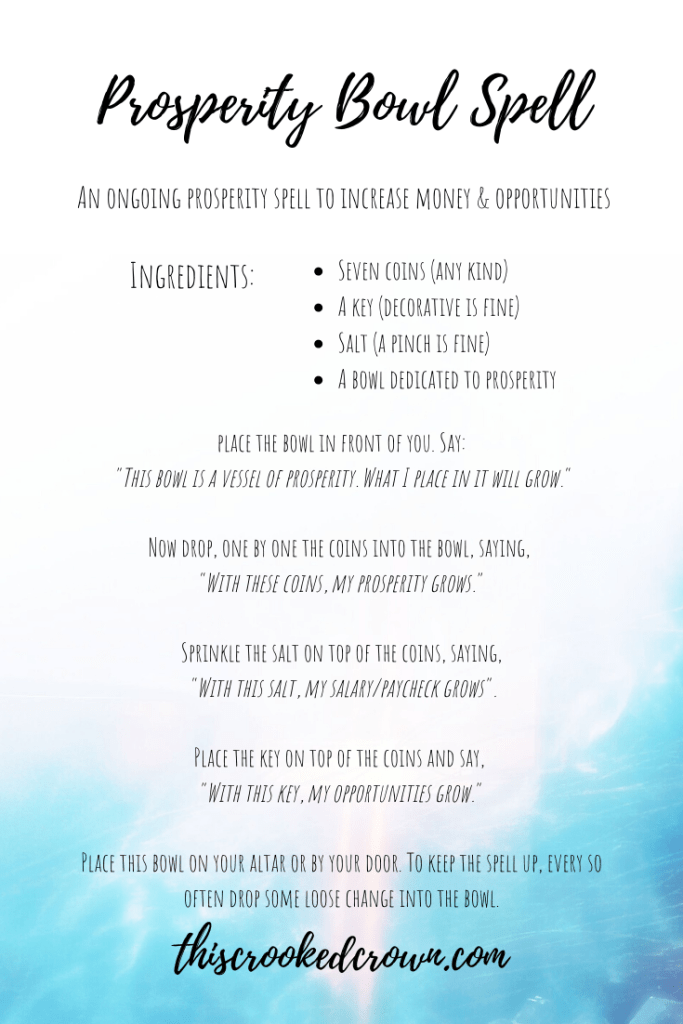




 This Crooked Crown